
REVIEW · NORTH QATAR AND PURPLE ISLAND
Doha-Qatar North Tour, Zubara Fort, Mangroves, purple island
Northern Qatar tells a different story. This private tour links old harbors, mangrove wetlands, a UNESCO-listed fort, and a deserted village in about four and a half hours. You get a useful look at Qatar before gas wealth reshaped the country, with pickup and drop-off anywhere in Doha.
I like the mix of coastal nature and old Qatar, and I like having a guide who can explain what you are seeing instead of leaving you to read signs. Guides such as Ali, Arum, Muzzi, Huzaifa, and Bashaar have been praised for clear storytelling, patience, and help with family photos. The main drawback is time: with several stops and a long drive north, some visits may feel brief.
In This Review
- Key points to know before you go
- Why northern Qatar is worth your time
- The drive north from Doha
- Al Khor harbor and the story of the sea
- Al Thakira mangroves: Qatar’s softer side
- Purple Island and its unusual name
- Zubara Fort and Qatar’s northern past
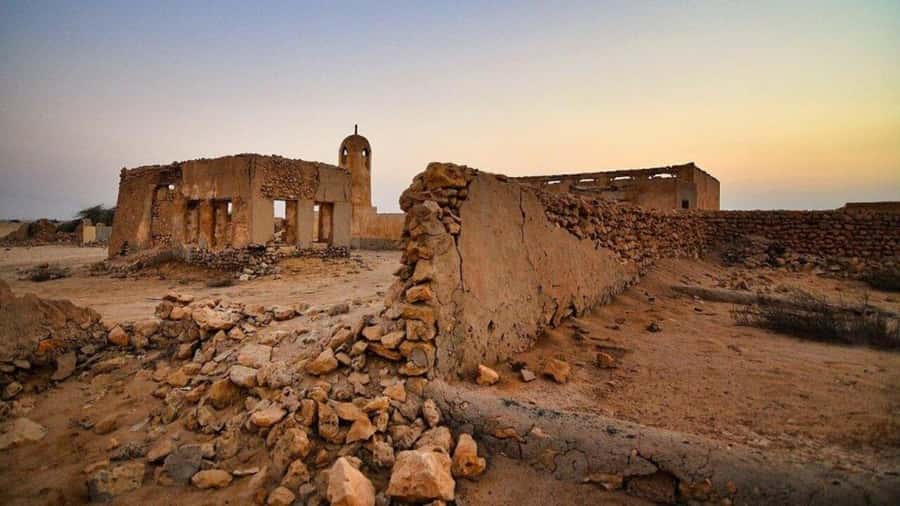
- Al Jumail, an abandoned village by the coast
- Guide quality is the heart of the tour
- What $71 buys you
- Who should book this northern Qatar tour?
- Practical tips for a better day
- FAQ
- How long does the North Qatar tour last?
- Where does pickup take place?
- Is the tour private?
- Which languages can the guide speak?
- Is food included?
- What should I bring?
- Is cancellation available?
- Should you book it?
Key points to know before you go
- Al Khor harbor links modern Qatar with its pearling past, with traditional dhow boats beside working boats.
- Al Thakira mangroves and Purple Island add a welcome change of scenery, with coastal plants, quiet water, and possible wildlife sightings.
- Zubara Fort is the historical centerpiece, offering a clear introduction to Qatar’s old trade and coastal settlements.
- Al Jumail gives you a more haunting, personal look at the past, through the remains of an abandoned fishing village.
- The private SUV format suits families and small groups, with Doha pickup, refreshments, onboard Wi-Fi, and a choice of English, Arabic, or Hindi guide.
- At $71 per person, value depends on group size, since the private vehicle and guide become more economical when shared.
Why northern Qatar is worth your time
Doha is polished, modern, and full of dramatic new architecture. Northern Qatar offers the counterpoint. Here, the story is about fishing, pearl work, small coastal settlements, trade, and people building a life with limited resources.
This is not a tour built around one grand monument. It works because the stops fit together. Al Khor shows the sea-based economy. The mangroves show the coastal environment. Zubara explains trade and defense. Al Jumail brings the story back to ordinary homes and village life.
You travel in a private SUV with a certified guide, rather than joining a large coach group. That matters in Qatar, where the sights are spread out and the road time is part of the experience. You can ask questions as you go, request help with photographs, and sometimes adjust the pace. The guides have been praised for being friendly, patient, and willing to explain Qatar’s development from the old days to the present.
The tour lasts about 270 minutes, or four and a half hours. That makes it a practical choice during a short Doha stay, though it is not an unhurried full-day outing. You will see a lot, but you should expect focused visits rather than long walks at every stop.
More trips to north Qatar:
- North Qatar Half-Day Tour: Al Zubarah, Purple Island & Mangroves
★ 5.0 · 337 reviews - North Qatar Tour | Zubara Fort | Purple Island | Mangros Colony
★ 5.0 · 323 reviews - Doha North Qatar Tour Zubara Fort, Mangroves, Jumail Village
★ 4.9 · 267 reviews
The drive north from Doha
Pickup is available throughout Doha, and you should provide a working phone or WhatsApp number so the guide can coordinate the meeting point. Once you leave the city, the drive becomes part of the lesson. Your guide can point out the contrast between Doha’s modern development and the quieter northern settlements.
The first driving section takes about 35 minutes in the supplied schedule. You travel by private SUV, with insurance, refreshments, and Wi-Fi included. Food is not included, so do not treat the refreshments as a meal replacement. Alcohol is also not included.
The road time may feel long if you prefer constant activity, but it gives the guide room to explain Qatar’s coastal economy. Before modern industries changed the country, fishing and pearl work supported many communities. The northern coast preserves more visible traces of that earlier way of life.
Modest clothing is a sensible choice. One person specifically advised dressing modestly in case the group stops for a snack or drink. You should also bring a passport or ID card, with a copy accepted according to the activity information.
Al Khor harbor and the story of the sea
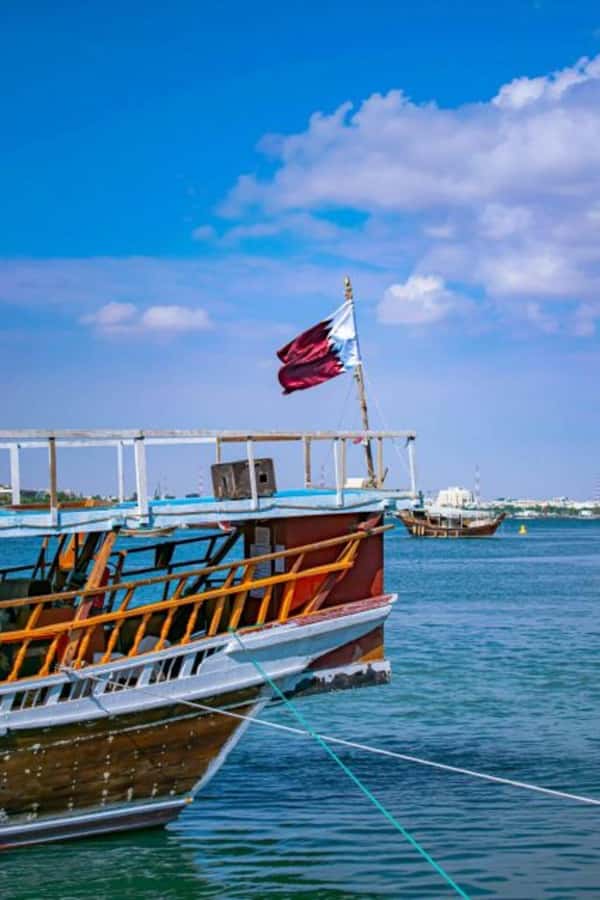
Al Khor is the first major stop, with about 35 minutes for a guided visit. The harbor was an early center for fishing and pearl work, and its boats help you picture how local families earned a living before Qatar’s modern expansion.
The appeal is not simply an old boat display. Traditional dhows share the harbor with modern boats, creating a useful connection between past and present. You can see how the same coastal setting still supports maritime activity, even though the tools and scale have changed.
I would use this stop to ask your guide about daily life in the old fishing communities. The harbor is also a good place for photographs, especially if you enjoy boats, working waterfronts, and simple details rather than large monuments.
The limitation is the short visit. Thirty-five minutes is enough for an introduction and a walk, but not enough for a slow harbor exploration. If you want a detailed study of Qatar’s pearling era, you may need a separate museum visit in Doha. On this tour, Al Khor works as the opening chapter.
Al Thakira mangroves: Qatar’s softer side
From Al Khor, the route continues to Al Thakira Mangroves Forest. The mangroves are described as among the largest and oldest in Qatar, and the setting brings a different mood from the harbor and desert roads.
You can expect a guided visit lasting around 35 minutes. The mangrove channels and coastal plants make this one of the most peaceful parts of the trip. The area is also home to animals, and you might spot wildlife, though sightings are never guaranteed.
This stop matters because Qatar is often pictured only through sand, skyscrapers, and heat. The mangroves correct that narrow view. They show how water, mud, and salt-tolerant plants shape the northern coast.
The tour description refers to traveling on the sea, but it does not specify a separate boat ride or guarantee kayaking. I would not book this experience expecting a full water excursion. Think of the mangroves as a short nature stop, with the guide explaining the setting and its connection to nearby Purple Island.
Wear shoes that are comfortable for uneven ground, and bring sun protection. The supplied information does not promise shade or a long boardwalk, so a hat and water are sensible. Refreshments are included, but carrying your own water is still practical in Qatar’s heat.
A few more options to weigh up in Doha
- Doha: Safari, ATV, Camels, Sandboarding and Inland Sea Tour
★ 4.8 · 5,291 reviews - Doha: ATV, Quad/Buggy Dune Bashing, Camel Ride, Sandboarding
★ 5.0 · 3,784 reviews - Desert safari, Dune bashing, sandboarding, camel, ATV Option
★ 5.0 · 2,826 reviews - Qatar Gold Dune Safari, Dune Bashing,Camel Ride,Sand Boarding,Inland Sea Desert
★ 5.0 · 2,807 reviews
Purple Island and its unusual name
Purple Island follows the mangroves and receives about 35 minutes of guided time. The name refers to the island’s past connection with purple dye production, a detail that gives this quiet coastal place an extra layer of interest.
The stop is less about a major structure and more about atmosphere. You may find shallow water, mangrove scenery, and a calm setting for photographs. One detailed account described it as a good place to relax and look for wildlife after the fort visit, though the exact order of stops can vary.
Purple Island is especially useful for families. Children can see a natural side of Qatar after spending time in the vehicle, while adults get a break from formal historical sites. Still, do not expect a long nature walk in the 35-minute window. The stop is an introduction, not a full ecology excursion.
The combination of Al Thakira and Purple Island is one of the tour’s best choices. Many northern Qatar outings focus almost entirely on ruins and forts. This one gives you enough nature to keep the day from becoming a string of stone buildings.
Zubara Fort and Qatar’s northern past
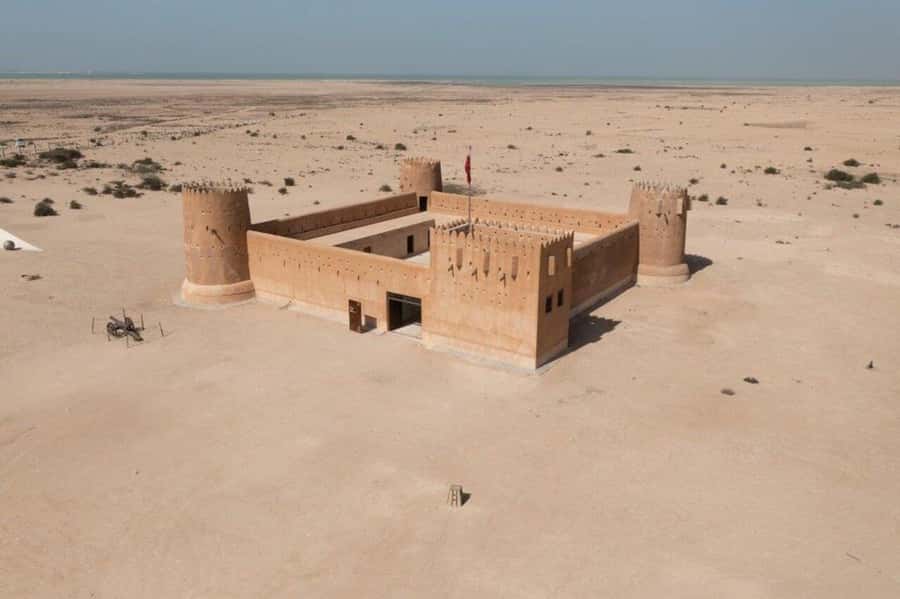
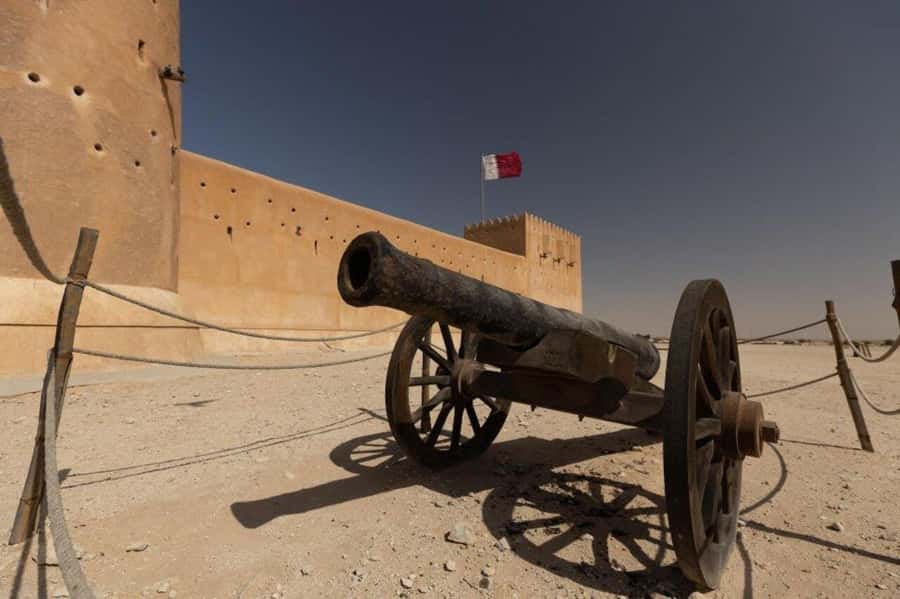
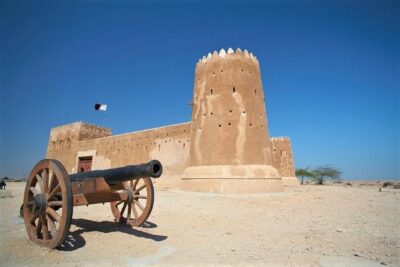
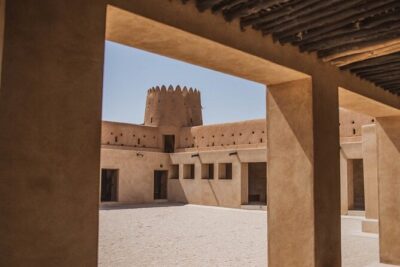
Zubara Fort is the main historical stop, with approximately 65 minutes set aside for the visit. That longer period makes sense. The fort is the most substantial site on the route and forms part of the Al Zubarah Archaeological Site, a UNESCO World Heritage Site.
The fort offers the classic image of an old Arab defensive building, with sturdy walls and a strong, simple design. Your guide can explain how the area developed into an important coastal settlement and archaeological site. The surrounding desert setting helps you understand the fort’s isolation and defensive purpose.
I like this stop because it gives structure to the rest of the tour. Al Khor shows how people worked on the water. Zubara helps explain the wider network of trade, settlement, and protection along the coast. The fort is not just a photogenic building. It is a place where Qatar’s earlier economy becomes easier to picture.
The archaeological setting also rewards careful looking. Instead of rushing through for a few photographs, use the guide’s explanation to notice the fort’s layout and the relationship between the building and the surrounding site. Several guides have been praised for explaining archaeological finds, regional trade, and the fort’s role in local history.
The fort can be hot and exposed. Your visit includes a guide, but not a meal, and the stop is not described as having extensive indoor facilities. Bring your ID, sun protection, and comfortable shoes. If you have mobility concerns, the activity is marked wheelchair accessible, but it is wise to confirm the exact access conditions for each outdoor stop before booking.
Al Jumail, an abandoned village by the coast
The final major stop is Al Jumail Abandoned Village, an old traditional Qatari village connected with the Zubara area. You have about 35 minutes to look around the remains.
This is the most personal stop on the route. Zubara Fort represents a larger story of trade and defense. Al Jumail lets you think about the people who lived in small homes, worked near the coast, and eventually left as Qatar changed.
The ruined village may appeal to you if you like places where history is visible through fragments rather than polished displays. Walls, empty rooms, and traces of former domestic life can make the past feel close, even without a large museum collection.
Do not expect a restored village or a long guided walk. The site is abandoned, and the experience depends heavily on the guide’s storytelling. Huzaifa was praised for painting a clear picture of the village’s former life, while other guides have been noted for explaining the landmarks along the road. That kind of narration is important here because the ruins do not explain themselves.
The stop can also be dusty, sunny, and uneven underfoot. Keep your visit focused and respectful. This is a cultural site, not a playground or a place for climbing on fragile walls.
Guide quality is the heart of the tour
The strongest part of this experience is the guide. The route covers a wide subject range, from coastal ecology to archaeology, so a silent driver would leave much of the value on the road.
Several guides have received especially warm praise. Ali has been described as informative, patient, and good with adults and children. Arum was praised for finding good viewpoints, answering questions, and keeping the pace comfortable. Muzzi was noted for explaining landmarks and accepting a pickup change. Bashaar was praised for his historical explanations and even introducing the group to karak tea.
Huzaifa received praise for bringing Zubara Fort, Purple Island, and Al Jumail to life with specific stories about trade, dye production, plants, animals, and village life. Muhammad was also appreciated for accommodating a spontaneous request during Eid al-Fitr and helping with photographs.
Guide assignment can change, so you cannot assume a particular person will lead your trip. Still, the repeated pattern is encouraging: friendly service, clear explanations, patience, and help with photos. You should ask questions. This is the kind of tour that improves when you take part in the conversation.
What $71 buys you
At $71 per person, the price is reasonable if you value private transport and a guide who stays with your group. You are paying for Doha pickup and return, a private newer SUV, insurance, refreshments, Wi-Fi, and several widely separated sites.
For a couple, the per-person price may feel less like a bargain than a shared group excursion. For a family or small private party, the value improves because you are not simply paying for entry to one attraction. You are covering the vehicle, road time, coordination, and guiding across northern Qatar.
The private format also gives you comfort and flexibility. One booking included a group of six families, though you should confirm the vehicle’s actual capacity before assuming a large party can travel in one SUV. The tour is marketed as a private group experience, but the practical size limit matters.
No food is included. If you need a proper lunch, plan separately or ask the operator what is possible before departure. The tour’s short length means you can fit it around other Doha plans, but you should not expect a full dining stop as part of the route.
Who should book this northern Qatar tour?
I would recommend it to first-time visitors who want more than Doha’s skyline and museums. It is also a good fit for families, history fans, photographers, and anyone with a spare half-day who wants to understand how Qatar looked before its modern transformation.
You will get the most from it if you enjoy variety. The route shifts from harbor to wetland, island, fort, and village ruins. You do not need expert historical knowledge, because the guide supplies the context.
I would hesitate if you want a slow, single-site visit or a guaranteed boat trip. The schedule is busy, and each stop has a clear time limit. You should also think twice if you dislike road journeys, exposed sites, or outdoor visits in warm weather.
The tour is wheelchair accessible according to the supplied information, but the route includes outdoor heritage and nature locations. Confirm the surface and access details for the specific stops if this is important for you.
Practical tips for a better day
- Bring a passport or ID card. A copy is accepted.
- Wear modest clothing, especially if you may stop for refreshments outside the main sites.
- Choose comfortable footwear for the fort and abandoned village.
- Use sun protection. The schedule includes several open-air stops.
- Provide a reliable phone or WhatsApp number for pickup coordination.
- Ask your guide to explain the dye connection at Purple Island and the trade story at Zubara Fort.
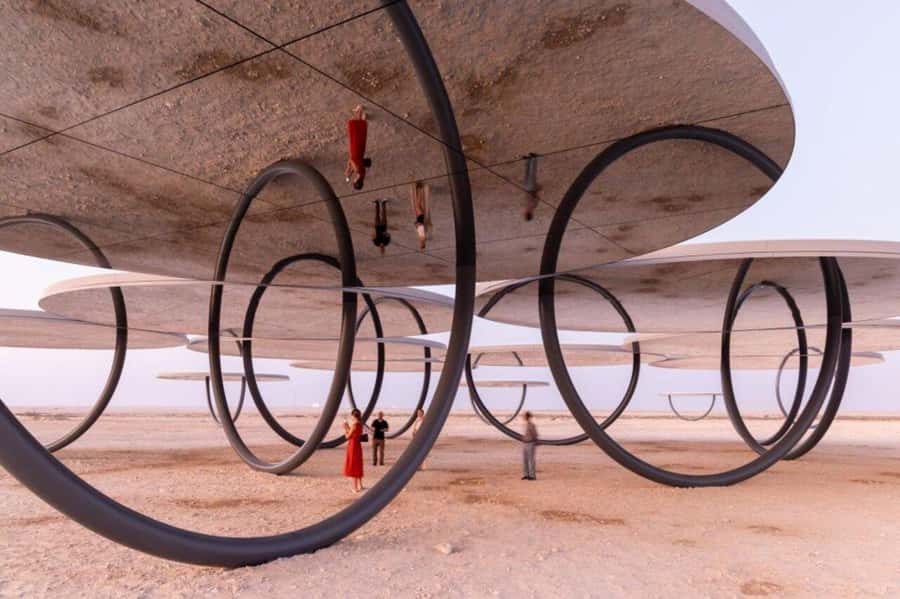
- If you want a special photo stop, ask politely. One booking added the Eliasson sculpture, showing that some flexibility may be possible.
- Check vehicle capacity if you are booking for a large family group.
FAQ
How long does the North Qatar tour last?
The advertised duration is 270 minutes, or about four and a half hours. The schedule includes driving between Doha and the northern sites, along with guided stops.
Where does pickup take place?
Pickup and drop-off are available throughout Doha. You should provide your phone number or WhatsApp number so the operator can coordinate the meeting point.
Is the tour private?
Yes. It is offered as a private group tour with a private SUV.
Which languages can the guide speak?
Guides are available in Arabic, English, and Hindi.
Is food included?
No. Food is not included, though refreshments are included.
What should I bring?
Bring a passport or ID card. A copy is accepted. Comfortable shoes and modest clothing are also practical choices for the outdoor sites.
Is cancellation available?
You can cancel up to 24 hours in advance for a full refund. You can also reserve now and pay later, according to the activity conditions.
Should you book it?
Book this tour if you want a compact, private introduction to northern Qatar with strong historical storytelling and a useful mix of nature and heritage. The best parts are the guide-led explanations, Zubara Fort’s longer visit, and the contrast between mangroves, harbor life, and abandoned homes.
Skip it if you need a leisurely full-day pace or a confirmed boat activity. At $71 per person, it is most appealing when shared by a couple, family, or small private group that values door-to-door transport. For a half-day look at the Qatar beyond Doha, it offers a solid and well-connected route.
Just added in Doha
- From Doha: Private West Coast and Camel Race Track Tour★ 4.7 · 4 reviews
- Doha: Night Desert Safari With Stargazing and Inland Sea★ 5.0 · 9 reviews
- Private Wakesurfing or Wakeboarding along Doha’s skyline★ 5.0 · 3 reviews
- Private Dunes Bashing | Desert Safari | Sand Boarding★ 5.0 · 5 reviews
- Doha-Private half day safari Sunrise/Sunset★ 5.0 · 6 reviews
- West Of Qatar Richard Serra sculpture, Mushroom Hills,Camel track★ 5.0 · 18 reviews
- West of Qatar Tour★ 5.0 · 2 reviews
- East-West/West-East – By Richard Serra★ 5.0 · 23 reviews
North Qatar and Purple Island, compared.
North Qatar Half-Day Tour: Al Zubarah, Purple Island & Mangroves
Read our review →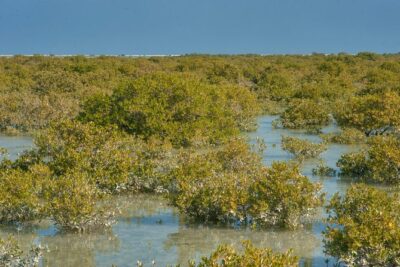
North Qatar Tour | Zubara Fort | Purple Island | Mangros Colony
Read our review →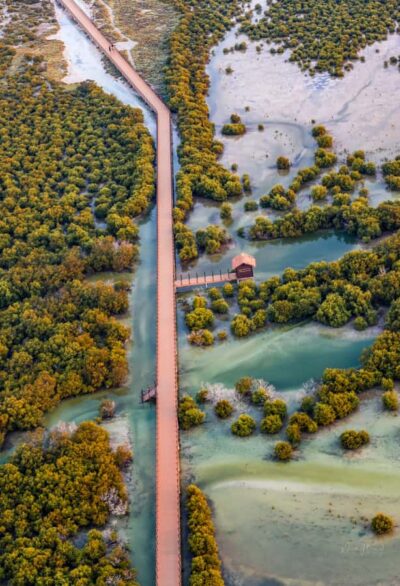
Doha North Qatar Tour Zubara Fort, Mangroves, Jumail Village
Read our review →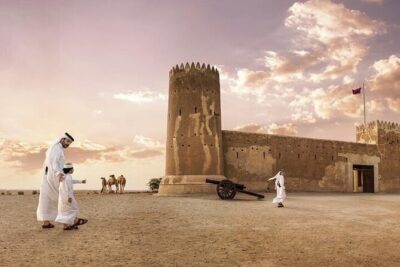
North of Qatar Tour to Olafur Eliasson Zubara Fort Jumail Village
Read our review →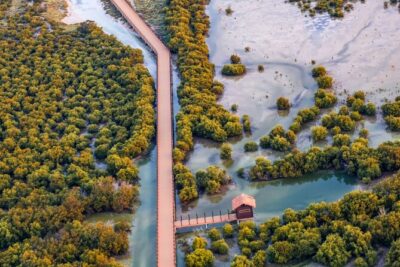
North of Qatar Tour, Zubara Fort, Mangroves, Jumail Village
Read our review →
Eco Kayaking Adventure – Mangrove Exploration at Purple Island
Read our review →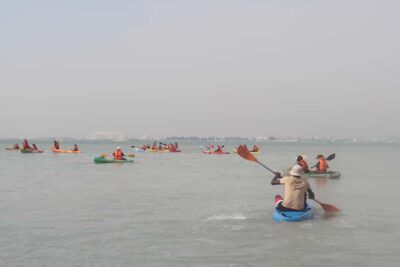
Private North of Qatar: Zubara Fort | Jumail Village | Al-Thakhira Mangroves
Read our review →Browse the lists this tour appears in