
REVIEW · NORTH QATAR AND PURPLE ISLAND
Doha North Qatar Tour Zubara Fort, Mangroves, Jumail Village
Qatar’s story begins far beyond Doha. This four-and-a-half-hour trip links old pearling and fishing country with mangroves, a UNESCO-listed archaeological site, and a deserted coastal village. I like the mix of nature and history, and I especially like having a guide explain what you are seeing instead of simply being dropped at a fort. The main drawback is the long time in the vehicle, with about three hours of the 270-minute tour spent driving.
The tour costs $59 per person, includes pickup and drop-off in Doha, and runs in an air-conditioned Jeep or SUV. A small group of no more than six people keeps it more personal than a large coach trip. Guide names vary, but Nawaz, Abdul Sattar, Muhammad Yasin, Faisal, Noor Raja, and Zubaire have all led recent departures. The strongest praise goes to their clear explanations, safe driving, patience, and willingness to answer questions.
In This Review
- Key points before you book
- Why northern Qatar is worth the drive
- The 50-minute ride from Doha to Al Khor
- Al Khor harbor and the memory of pearling
- Al Thakira mangroves: a short nature break
- Zubara Fort and the UNESCO connection
- Jumail Village and Qatar’s older coastal homes
- The 75-minute return to Doha
- What the $59 price includes
- The guides are a major part of the experience
- Who should book this northern Qatar tour?
- Should you book it?
- FAQ
- Where does the tour begin and end?
- How long does the tour last?
- What language is the tour conducted in?
- How many people can join the tour?
- What transportation is provided?
- What does the price include?
- Is food included?
- Which places are visited?
Key points before you book
- Al Khor harbor recalls Qatar before oil and gas, with old pearling, fishing, and boat-repair traditions.
- Al Thakira mangroves add a welcome change of scenery, though the scheduled visit is short at about 20 minutes.
- Zubara Fort is the main historical stop, with thick walls, museum displays, and a connection to the UNESCO-listed Al Zubarah site.
- Jumail Village gives you a quiet look at traditional coastal life, with abandoned homes and views toward the sea.
- The tour is best for history-minded visitors, families, and anyone who wants to see Qatar beyond Doha.
- Tea, coffee, and bottled water are included, but you should plan for your own food.
Why northern Qatar is worth the drive
Doha can give you a polished view of Qatar: towers, museums, modern souqs, and wide highways. This excursion shows a different country. The north is quieter and more open, and the stops connect to the period before oil and gas changed daily life.
That change is the real theme of the day. At Al Khor, you begin with the sea and the work that supported coastal communities. At the mangroves, you see how water and salt shaped the environment. At Zubara and Jumail, you move into fortifications, trade, village life, and the remains of older settlements.
I find that this kind of route works best when a guide supplies context. A fort can be a square building with thick walls if you visit alone. With an explanation of its coast guard role, defensive design, and place in Qatar’s past, it becomes easier to understand.
The tour has earned a 4.9 rating from 267 verified bookings, and the repeated praise is quite specific. Guides are often described as friendly, careful drivers who explain local customs and history in clear English. Several people also appreciated help with photographs, prompt WhatsApp communication, and small touches such as tea during the day.
More trips to north Qatar:
- North Qatar Half-Day Tour: Al Zubarah, Purple Island & Mangroves
★ 5.0 · 337 reviews - North Qatar Tour | Zubara Fort | Purple Island | Mangros Colony
★ 5.0 · 323 reviews - North of Qatar Tour to Olafur Eliasson Zubara Fort Jumail Village
★ 5.0 · 157 reviews
The 50-minute ride from Doha to Al Khor
Pickup begins in Doha, followed by roughly 50 minutes in the air-conditioned vehicle. This is not wasted time, but you should know what you are buying. The tour covers a large part of northern Qatar in a half-day, so the road time is unavoidable.
The vehicle is a Jeep or SUV, and the limited group size makes the drive more comfortable than a full bus. Several recent passengers specifically praised the cars and the smooth, safe driving. That matters here, since the journey to the northern sites takes up a large share of the schedule.
The guide can also begin filling in the story during the drive. Abdul Sattar is repeatedly praised for explaining places along the route, while Nawaz is noted for making the ride pleasant and answering questions. If you enjoy asking about Qatari customs, the old coastal economy, or how the country changed, this is a good chance to do it.
There is no meal included. Bring something small if you need food, especially because the planned stops are short and the entire tour lasts only 270 minutes. Bottled water, tea, or coffee are provided.
Al Khor harbor and the memory of pearling

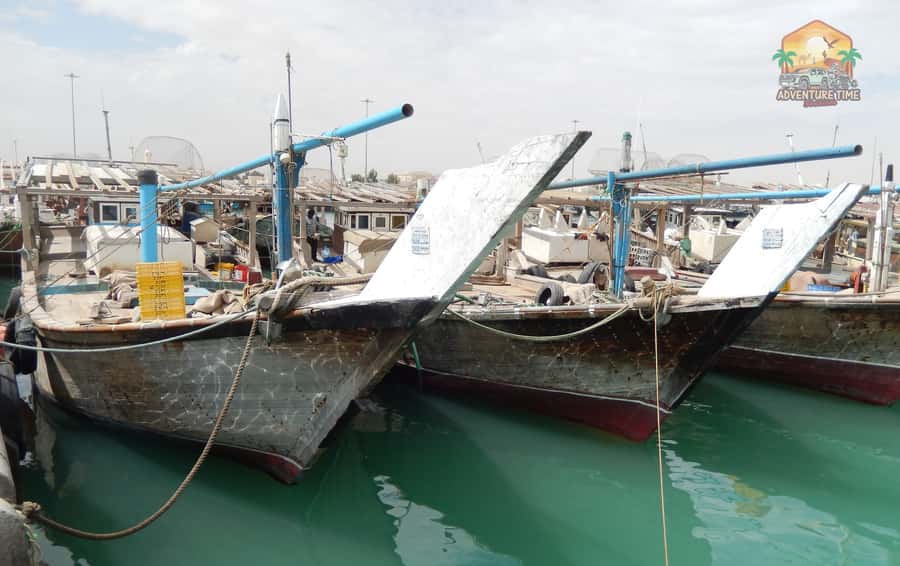
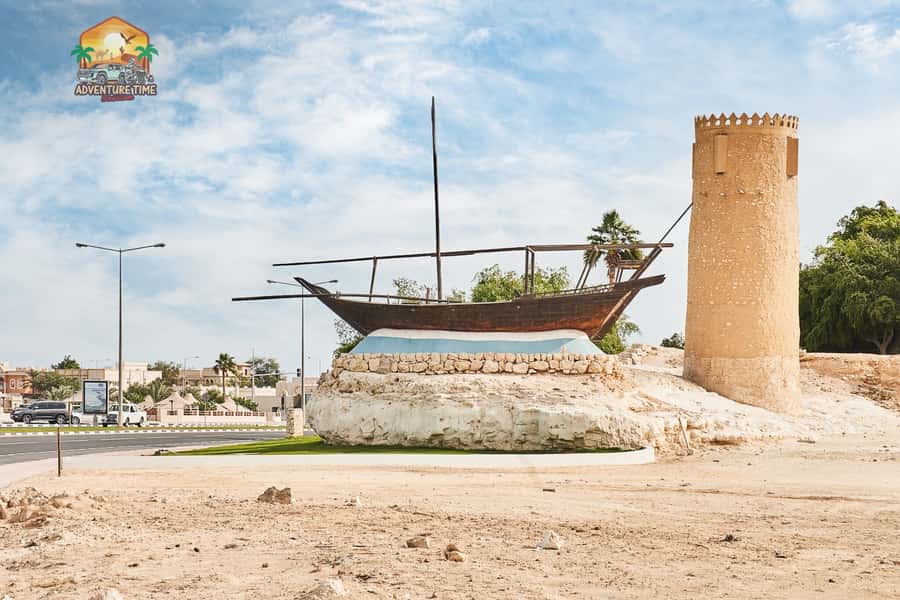
The first stop is Al Khor, about 20 minutes of sightseeing after the drive from Doha. This harbor was once a center for pearl fishing and traditional fishing, long before Qatar’s modern wealth. It also has an old ship-repair and renovation yard, giving you a practical look at the work behind the coastal economy.
This stop is less about a single grand monument and more about understanding how people lived. The harbor helps explain why boats, skilled workers, and knowledge of the sea mattered so much to Qatar’s older communities.
You should keep your expectations sensible. The scheduled visit is brief, so this is an introduction rather than a long harbor walk or a detailed maritime museum visit. The guide’s explanation is important because the physical setting alone may not tell the whole story.
I like the way Al Khor opens the tour. You start with working life rather than royal architecture. That makes the later fort and village feel connected to ordinary people, trade, and the sea.
Al Thakira mangroves: a short nature break
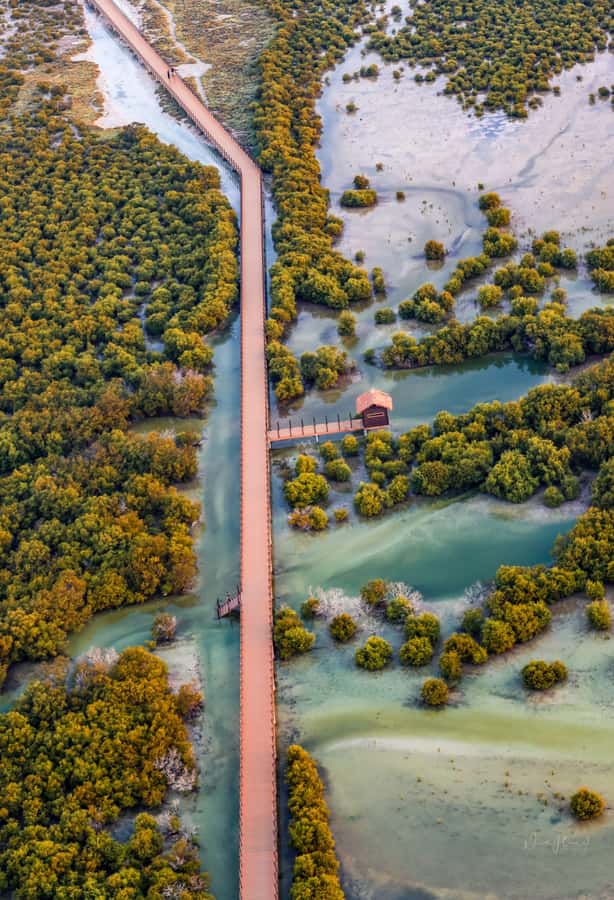
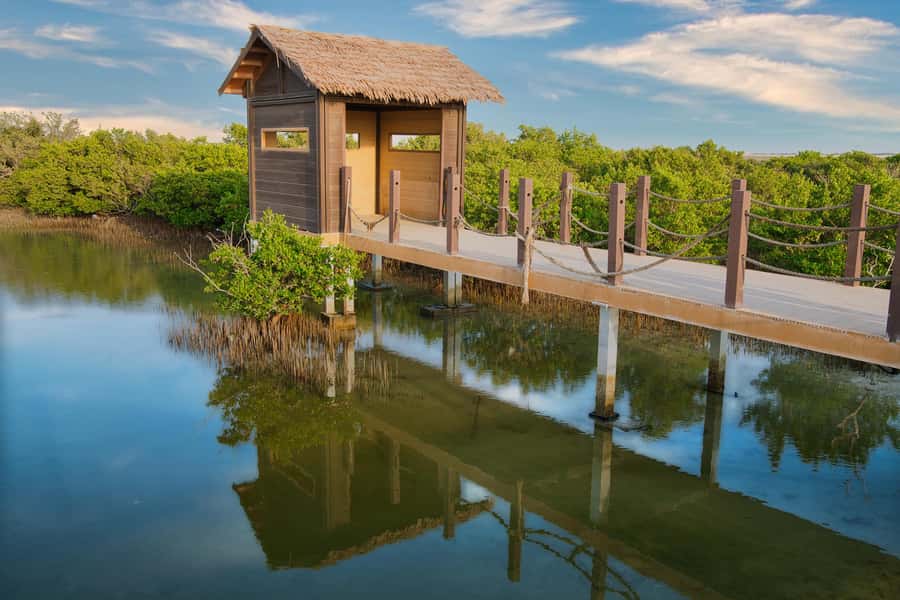
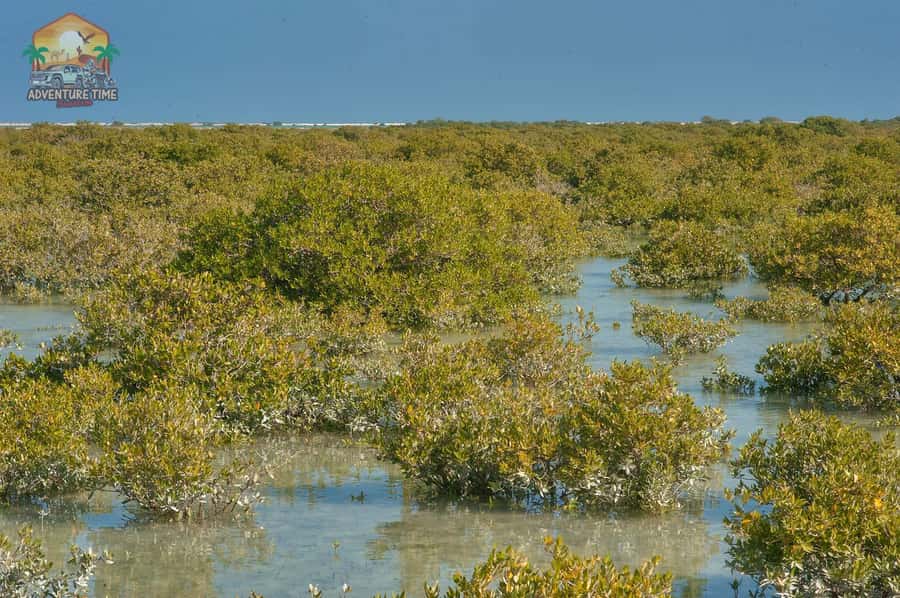
After about 15 minutes on the road, you reach Al Thakira Mangroves Forest. The visit lasts around 20 minutes and includes a photo stop, guided sightseeing, and views along the way.
The mangroves are described as one of Qatar’s oldest and largest forest areas. They offer a sharp contrast to Doha’s buildings and the dry surroundings elsewhere in the north. The sight of trees growing in a coastal, salty environment is a useful reminder that Qatar’s natural setting is more varied than many first-time visitors expect.
This is the most limited stop on the route. Twenty minutes is enough for photos and a quick explanation, but not enough for an extended walk or a slow nature outing. No boat trip or kayaking activity is listed, so you should treat this as a scenic stop rather than a water adventure.
The short visit may still be valuable if you have never seen the mangroves. Several people enjoyed the fresh air and the change from the city. I would especially welcome this part in cooler months, when the outdoor stops are more comfortable.
Bring sun protection and shoes suitable for outdoor sightseeing. The information does not specify a boardwalk, a boat, or the exact walking conditions, so do not plan around a long nature trail.
A few more options to weigh up in Doha
- Doha: Safari, ATV, Camels, Sandboarding and Inland Sea Tour
★ 4.8 · 5,291 reviews - Doha: ATV, Quad/Buggy Dune Bashing, Camel Ride, Sandboarding
★ 5.0 · 3,784 reviews - Desert safari, Dune bashing, sandboarding, camel, ATV Option
★ 5.0 · 2,826 reviews - Qatar Gold Dune Safari, Dune Bashing,Camel Ride,Sand Boarding,Inland Sea Desert
★ 5.0 · 2,807 reviews
Zubara Fort and the UNESCO connection
The drive from Al Thakira to Al Zubara Fort takes about 40 minutes. You receive around 20 minutes at the fort for a visit, sightseeing, and photographs.
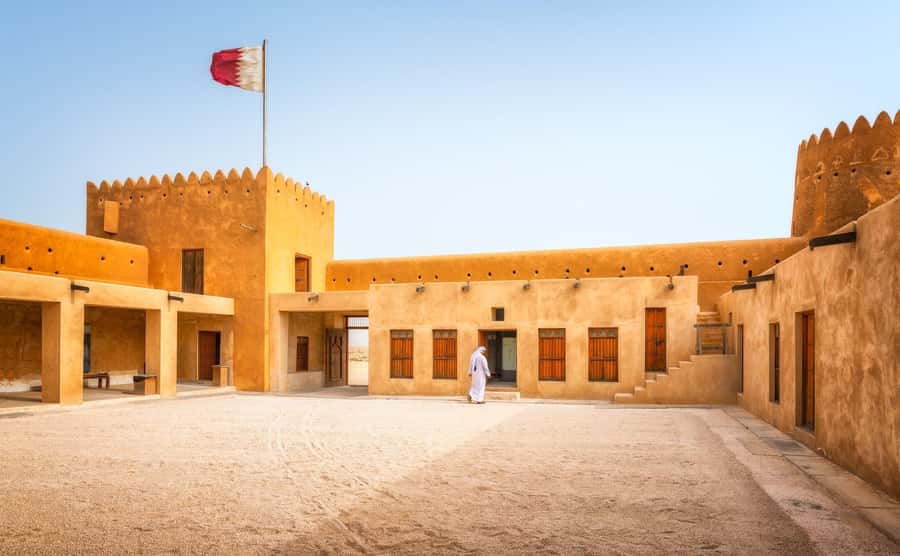
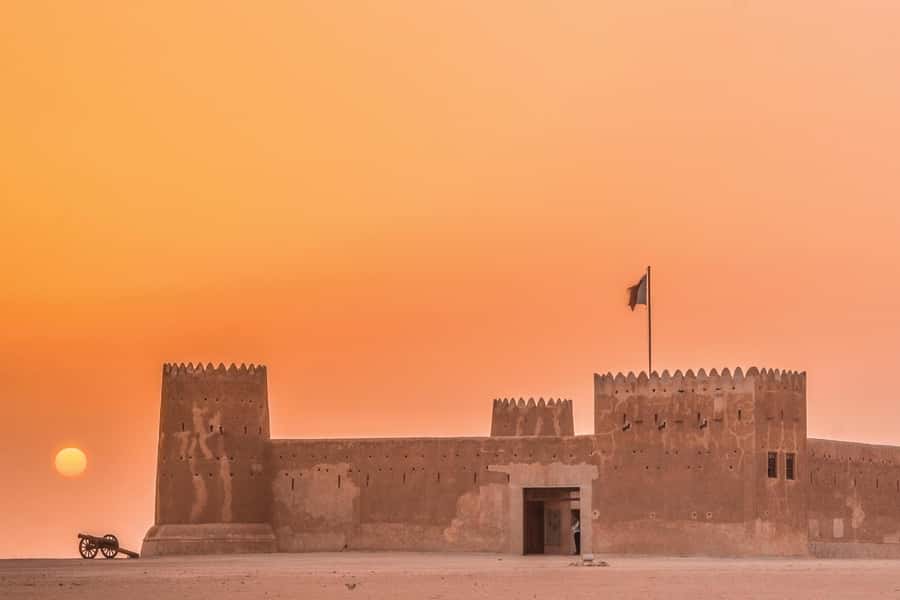
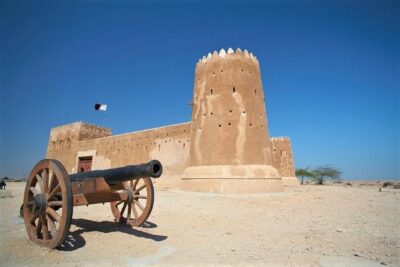
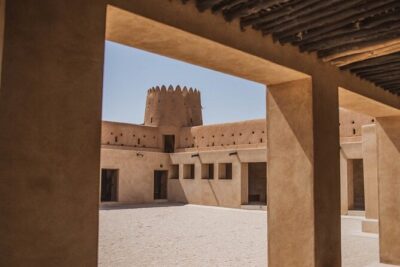
This is the strongest historical stop on the route. Zubara Fort is part of the Al Zubarah Archaeological Site, which is listed as a UNESCO World Heritage site. The fort itself was built in 1938 by Sheikh Abdullah bin Jassim Al Thani as a coast guard station, making it a 20th-century structure connected to a much older area of settlement and trade.
Its design is simple and practical. The walls are about one meter thick, helping protect the fort and keep its rooms cooler during Qatar’s hot summers. That detail gives you something concrete to notice as you move through the building. It is not just an old-looking fort. Its shape reflects defense, heat, and the needs of a coastal outpost.
Today the fort serves as a museum with exhibits, artworks, and archaeological material. The displays focus on findings connected with the wider site. For anyone interested in military life, coastal security, or Qatar before the modern era, this is the stop that gives the tour its greatest weight.
The time limit is again worth noting. Twenty minutes can provide a useful introduction, especially with a guide, but it is not a leisurely museum visit. If you want to study every display or spend a long time at the archaeological site, you may find the schedule too tight.
The guide makes a major difference here. Martin from the United Kingdom called the fort particularly interesting, while other visitors valued explanations that connected old life with modern Qatar. Abdul Sattar is often praised for answering questions and explaining the country’s change from a modest coastal society to a modern state.
Jumail Village and Qatar’s older coastal homes
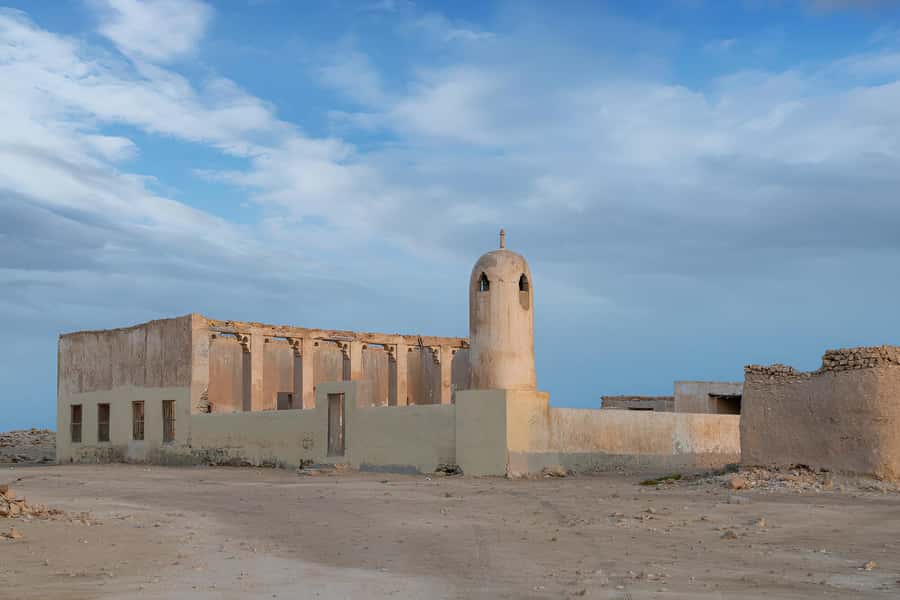
From Zubara Fort, it is about 15 minutes to Jumail Abandoned Village. The stop lasts approximately 15 minutes and focuses on photographs and sightseeing.
Jumail is an old traditional Qatari village left behind as life shifted toward newer settlements and urban centers. You see the remains of homes and a coastal setting that helps you picture a simpler, harder way of living. The village is not presented as a restored heritage center. Its value comes from the quiet remains and the sense of time passing.
This is a good place to slow down and look closely. Notice the layout of the old buildings, the empty spaces, and the relationship between the village and the sea. The stop is short, so you will not have long to explore every corner. Still, it adds a human scale to the day after the formal fort.
Families can find this stop engaging, especially when the guide explains how people lived before oil and gas. One parent praised Abdul Sattar for being patient and good with a four-year-old. That suggests the tour can work for families, although young children may find the long drives and short sightseeing periods less exciting than open-ended attractions.
The 75-minute return to Doha
The final drive takes about 75 minutes. By this point, you will have covered the main northern sights, but the return is long enough to affect how the tour feels.
This is where the air-conditioned vehicle, small group, and guide’s manner matter most. Several people praised smooth driving, comfortable cars, and guides who kept the mood light during the road sections. Nawaz was also praised for prompt communication before the tour, which can make the pickup feel less stressful.
The tour is advertised as private, but the group format is limited to six participants. That gives you more personal space and conversation than a large bus, though it does not mean the entire vehicle is necessarily just for one booking. If you need a fully exclusive vehicle, confirm that point before paying.
The total duration is listed as 270 minutes, or four and a half hours. The schedule adds up to a compact route with little spare time. Traffic, pickup arrangements, or a longer conversation at one stop could affect the exact timing, so avoid booking an important activity immediately afterward.
What the $59 price includes
At $59 per person, the tour offers reasonable value if you want transport from Doha and a guide for several distant sites. You are paying not only for admission-style sightseeing, but also for the vehicle, pickup and return, route planning, bottled water, tea or coffee, and an English-speaking guide.
The value is strongest for visitors who do not want to rent a vehicle or arrange a northern Qatar route themselves. Driving between Al Khor, Al Thakira, Zubara, and Jumail would require planning, and the historic meaning of each place may be easy to miss without local explanation.
The price is less compelling if you prefer to spend a full day at one archaeological site or a long time in nature. The tour touches four different places, but the actual visits are short: 20 minutes at Al Khor, 20 minutes at the mangroves, 20 minutes at the fort, and 15 minutes at Jumail.
Food is not included, so budget for your own meal or snack. Tea, coffee, and water help, but they do not replace lunch.
The guides are a major part of the experience
The most consistently praised part of this tour is the guiding. Names vary by departure, but the pattern is clear: people value guides who explain the past in plain English, drive safely, take photographs, and respond to questions without rushing you.
Nawaz is often described as kind, punctual, and well informed about Qatar’s history and culture. Abdul Sattar receives especially frequent praise for explaining each stop, offering tea and water, caring for families, and showing pride in Qatari heritage. Muhammad Yasin is praised for his local knowledge, good humor, and considerate approach.
Faisal is noted for explaining Qatari culture clearly, while Noor Raja helped with historical explanations and photographs. Zubaire is praised for being on time, professional, and thorough.
You cannot assume which guide you will receive, so I would not book solely to request one person. Still, the repeated attention to guide quality is a strong reason to choose this experience over a simple transfer or self-guided drive.
Who should book this northern Qatar tour?
I would recommend it to you if you want a compact introduction to Qatar’s older coastal life. It suits first-time visitors who have already seen Doha and want a different setting, as well as people interested in forts, archaeology, local customs, and traditional villages.
It also works well for small families and couples who prefer a guided outing. The air-conditioned vehicle and limited group size make the long route easier, and the guides appear comfortable adjusting their explanations to different ages and interests.
You may want another option if your priority is hiking, wildlife photography, or a long museum visit. The mangrove stop is brief, the village visit is brief, and the fort schedule leaves limited time for detailed study. This is a broad overview, not a slow archaeological tour.
The best season is not specified in the tour details, but Qatar’s outdoor sites are naturally more pleasant when temperatures are moderate. In hotter periods, expect the vehicle and short stops to be important parts of your comfort.
Should you book it?
Book this tour if you want to connect Qatar’s modern capital with its coastal past in a single half-day. The route has real variety: a working harbor tradition, mangroves, a fortified museum, and an abandoned village.
At $59, the package makes sense for you if transport and interpretation matter. Go in knowing that the itinerary is tightly timed and road-heavy. If you want more time at Zubara or Al Thakira, ask about the schedule before booking.
For a first look at northern Qatar, this is a sensible and well-supported choice. Its greatest strength is not one spectacular sight, but the way a good guide can turn several modest stops into a clear story about how Qatar lived, worked, and changed.
FAQ
Where does the tour begin and end?
Pickup and drop-off are provided from locations in Doha. The tour begins in Doha and returns there after the northern Qatar visits.
How long does the tour last?
The stated duration is 270 minutes, which is four and a half hours.
What language is the tour conducted in?
The live tour guide provides the experience in English.
How many people can join the tour?
The group is limited to six participants.
What transportation is provided?
Transportation is provided in an air-conditioned Jeep or SUV.
What does the price include?
The $59 price includes pickup and drop-off in Doha, transportation, bottled water, tea, or coffee.
Is food included?
No. Food is not included in the tour price.
Which places are visited?
The route includes Al Khor harbor, Al Thakira Mangroves Forest, Al Zubara Fort, and Jumail Abandoned Village.
Just added in Doha
- From Doha: Private West Coast and Camel Race Track Tour★ 4.7 · 4 reviews
- Doha: Night Desert Safari With Stargazing and Inland Sea★ 5.0 · 9 reviews
- Private Wakesurfing or Wakeboarding along Doha’s skyline★ 5.0 · 3 reviews
- Private Dunes Bashing | Desert Safari | Sand Boarding★ 5.0 · 5 reviews
- Doha-Private half day safari Sunrise/Sunset★ 5.0 · 6 reviews
- West Of Qatar Richard Serra sculpture, Mushroom Hills,Camel track★ 5.0 · 18 reviews
- West of Qatar Tour★ 5.0 · 2 reviews
- East-West/West-East – By Richard Serra★ 5.0 · 23 reviews
North Qatar and Purple Island, compared.
North Qatar Half-Day Tour: Al Zubarah, Purple Island & Mangroves
Read our review →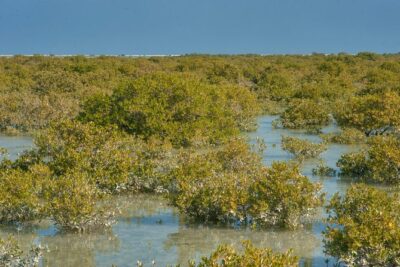
North Qatar Tour | Zubara Fort | Purple Island | Mangros Colony
Read our review →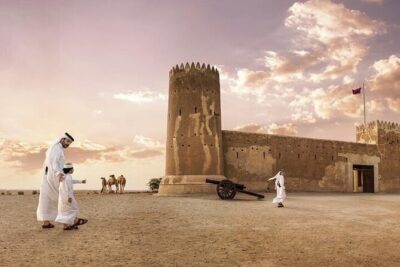
North of Qatar Tour to Olafur Eliasson Zubara Fort Jumail Village
Read our review →
North of Qatar Tour, Zubara Fort, Mangroves, Jumail Village
Read our review →
Eco Kayaking Adventure – Mangrove Exploration at Purple Island
Read our review →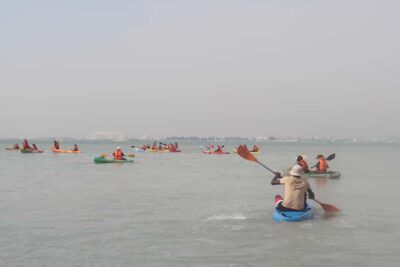
Private North of Qatar: Zubara Fort | Jumail Village | Al-Thakhira Mangroves
Read our review →
North Qatar Tour, Mangroves, & Zubara Fort and purple
Read our review →Browse the lists this tour appears in