
REVIEW · HISTORICAL TOURS
Doha: Combo Heritage & Art Tour of North and West Qatar
Qatar’s best surprises lie beyond Doha. This seven-hour tour links Al Ruwais, the abandoned Al Jumail village, Al Zubarah Fort, Olafur Eliasson’s desert artwork, and Richard Serra’s monumental steel sculptures in one well-planned day. I especially like the contrast between old pearl-trading settlements and bold modern art in the desert. I also like that round-trip transport, drinks, entry, and an English-speaking guide are included.
The main consideration is the pace. You cover a large stretch of northern and western Qatar, with most stops lasting 30 to 40 minutes. That works well if you want a broad introduction, but you will not have much time for long walks, slow photography, or extended museum visits.
In This Review
- Key points to know before booking
- Why this North Qatar tour is worth considering
- Al Ruwais: a calm start on Qatar’s northern coast
- Al Jumail village and the remains of pearl country
- Olafur Eliasson’s artwork in the open desert
- Al Zubarah Fort and Qatar’s trading past
- Zekreet and the road toward Richard Serra’s steel sculptures
- What the seven-hour schedule feels like
- Transport, guiding, and group options
- Who will enjoy this experience most
- Value, inclusions, and the small extra costs
- My final call: book it for range, not slowness
- FAQ
- How long does the tour last?
- Where does pickup take place?
- Is transportation included?
- Is the tour conducted in English?
- Which sites are included?
- Are entrance fees included?
- Is food included?
- What should I bring?
Key points to know before booking
- Olafur Eliasson’s desert installation uses the open desert as part of the artwork, making this more than a standard sightseeing stop.
- Al Jumail village offers a quiet look at a former pearl-diving community, with weathered remains rather than polished attractions.
- Al Zubarah Fort connects the scenery to Qatar’s trading and archaeological past, and entry is included.
- Richard Serra’s East-West/West-East places huge steel forms across the desert near Zekreet, creating one of Qatar’s most striking photo stops.
- Junaid and Javid are named guides praised for warmth, storytelling, and photography, although your assigned guide may be different.
- Pickup, drop-off, water, tea, soft drinks, and site entrances are included, which helps the tour offer solid value even though meals are extra.
Why this North Qatar tour is worth considering
Doha gives you museums, towers, souqs, and polished waterfront views. This tour gives you a different Qatar: low coastal towns, abandoned stone buildings, archaeological remains, and enormous artworks set far from the city.
I like the way the day joins three subjects that do not usually appear together. You get local history at Al Jumail and Al Zubarah, coastal scenery around Al Ruwais, and contemporary art at two remote desert sites. The changing subject matter keeps a long drive from feeling like a simple series of ruins.
The guide makes a major difference here. The named guides Junaid and Javid received especially warm praise for their storytelling, local explanations, friendly manner, and photography skills. Junaid was also praised for explaining geology, plants, animals, and the meaning of unusual rock formations. That kind of interpretation matters because several stops are open-air sites with limited written information.
The trade-off is that this is not a relaxed beach day or a slow archaeological tour. The listed visits add up to roughly three hours, leaving the rest of the seven-hour outing for driving and transfers. You should book it for variety and access, not for lingering at one place.
More history tours in Doha:
- Full Day Qatar’s North And West tour || History & Heritage
★ 5.0 · 229 reviews - Desert Safari + History to Modern City Tour
★ 5.0 · 174 reviews - From Doha: Culture & History Qatar Tour to the North & West
★ 5.0 · 51 reviews
Al Ruwais: a calm start on Qatar’s northern coast
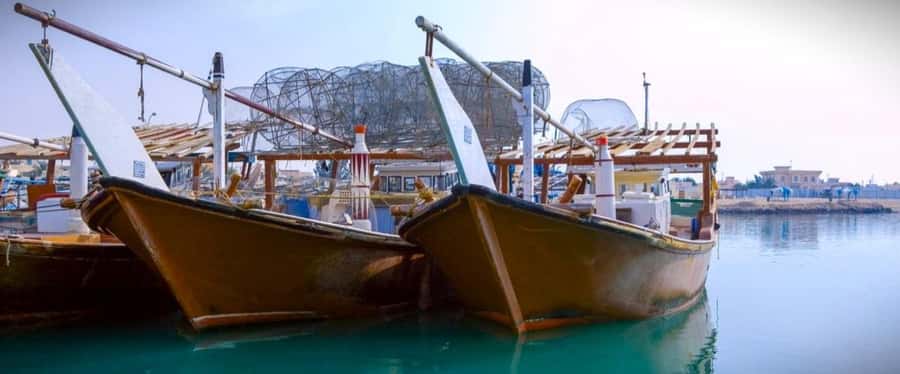
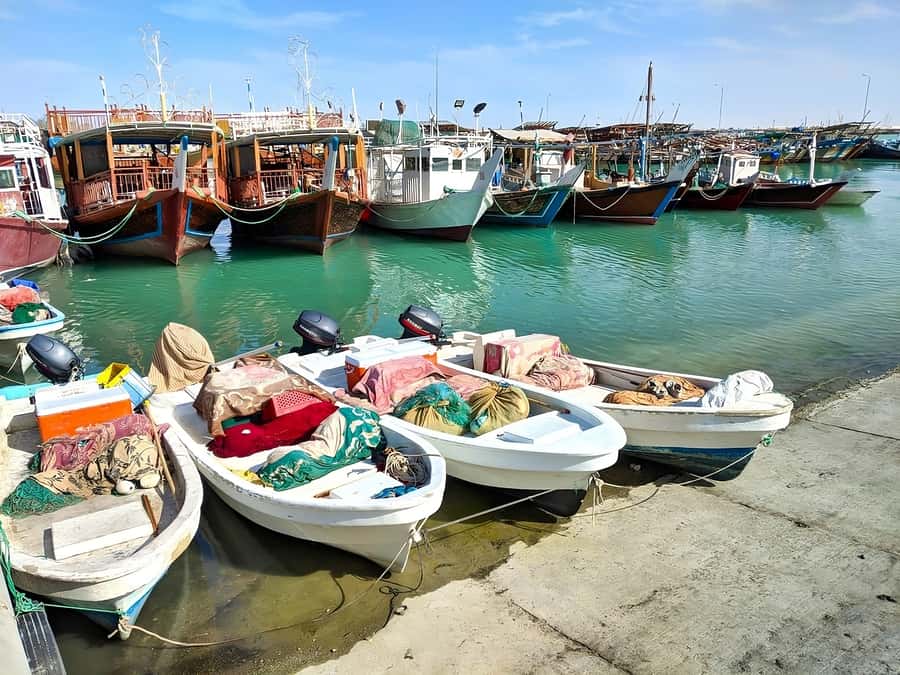
The tour begins with a pickup in Doha and heads north to Al Ruwais, where you spend about 30 minutes. This coastal town is associated with traditional fishing culture and broad sea views, so it gives you an early sense of how different northern Qatar feels from the capital.
I would treat this as a gentle orientation stop rather than a major attraction with a long list of sights. The value is in the setting and the guide’s explanation of coastal life. You can look out toward the sea, take photographs, and begin to see the connection between Qatar’s shoreline and its older fishing and pearl industries.
Thirty minutes is enough for a short visit, but not enough to turn it into a full coastal outing. Wear shoes that are comfortable on uneven ground and bring sun protection. The vehicle is air-conditioned, which is welcome after time outdoors, but you should still expect heat when stepping out.
Al Jumail village and the remains of pearl country
Next comes Al Jumail, an abandoned village visited for about 30 minutes. It was once a pearl-diving settlement, and its empty buildings offer a direct look at an older way of life.
This is the sort of stop I find more interesting when you approach it with modest expectations. You are not entering a restored heritage center with displays and polished rooms. You are seeing a quiet former settlement, where the remains and the setting do most of the talking.
That quiet is part of the appeal. The absence of modern development helps you picture how coastal communities once depended on fishing and pearls. Your guide can add the context that the bare remains cannot provide on their own, including how the village fits into Qatar’s wider past.
The short timing is sensible for a first visit, though photographers may wish for more. If you enjoy old stonework, abandoned places, and human stories tied to the sea, Al Jumail may be one of the most memorable stops. If you prefer fully restored buildings and indoor exhibits, it may feel sparse.
Olafur Eliasson’s artwork in the open desert
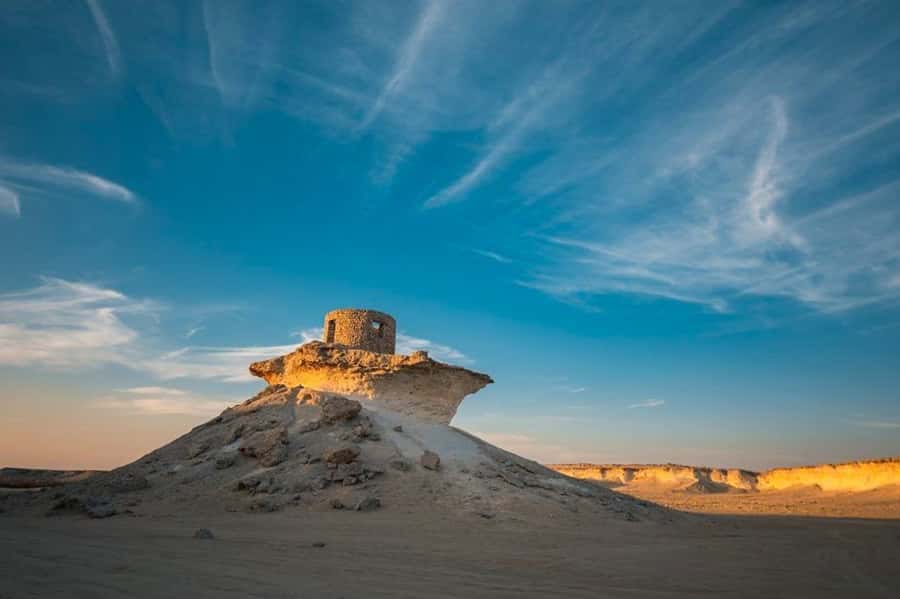
The tour then reaches Olafur Eliasson’s desert installation. The exact visit is listed for about 30 minutes, and that short stop suits the artwork’s basic idea: modern art meeting the enormous natural setting around it.
Here, the desert is not just a backdrop. The open space, changing light, and distance between the artwork and the city shape how you see it. I like that the tour does not treat art as something confined to a gallery. You have room to step back, study the relationship between the work and the surroundings, and take photographs that show both together.
A guide is useful at this point because contemporary art can be easy to dismiss if you do not know what to look for. The guide can help connect the installation to its setting without turning the visit into a lecture. You can then decide what you think of it.
The limitation is time. Thirty minutes allows for an introduction and photographs, but not a lengthy personal reading of the work. The sun can also make open-air viewing tiring, so a hat, sunglasses, and water are practical. Water, tea, and soft drinks are included, but meals are not.
A few more options to weigh up in Doha
- Doha: Safari, ATV, Camels, Sandboarding and Inland Sea Tour
★ 4.8 · 5,291 reviews - Doha: ATV, Quad/Buggy Dune Bashing, Camel Ride, Sandboarding
★ 5.0 · 3,784 reviews - Desert safari, Dune bashing, sandboarding, camel, ATV Option
★ 5.0 · 2,826 reviews - Qatar Gold Dune Safari, Dune Bashing,Camel Ride,Sand Boarding,Inland Sea Desert
★ 5.0 · 2,807 reviews
Al Zubarah Fort and Qatar’s trading past
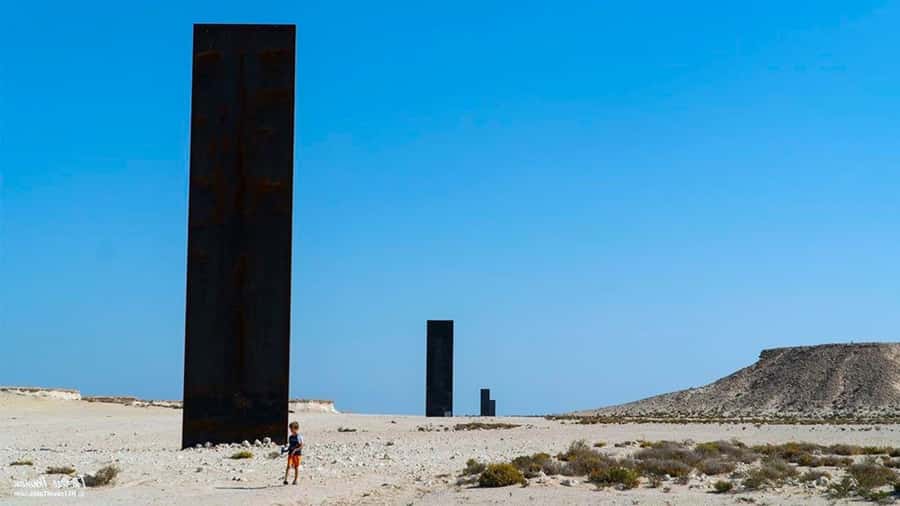
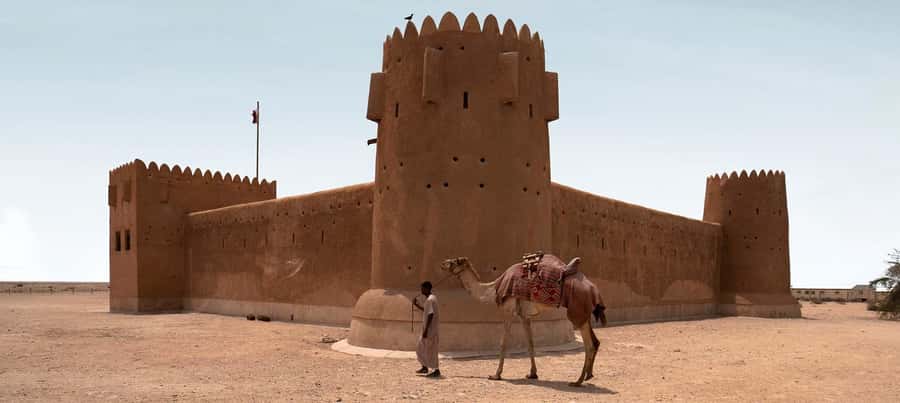
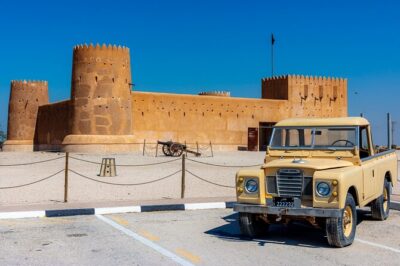
Al Zubarah Fort receives about 40 minutes, making it one of the longer stops. Entry is included, and the fort provides the clearest historical anchor in the day.
The fort is linked to the Al Zubarah archaeological area and Qatar’s former trading activity. Its solid walls and traditional military design give you a more tangible sense of the region’s past than the open remains at Al Jumail. The site also carries UNESCO recognition, which reflects its archaeological importance.
I like the balance here. You are not only looking at a historic building. You are also connecting the fort to wider stories of trade, coastal settlements, and the economic importance of pearls. A good guide can explain why this location mattered and how it relates to the other northern sites.
Forty minutes should give you time to look around, photograph the exterior, and listen to the explanation. Still, do not expect a full museum afternoon. The tour is designed to place Al Zubarah within a wider route, not to provide an exhaustive archaeological study.
The fort is also where the itinerary’s historical and artistic sides meet in an interesting way. At Al Jumail, you see a village shaped by daily work at sea. At Al Zubarah, you see a more formal reminder of authority, trade, and protection. Later, the artworks shift your attention toward Qatar’s present-day cultural ambitions.
Zekreet and the road toward Richard Serra’s steel sculptures
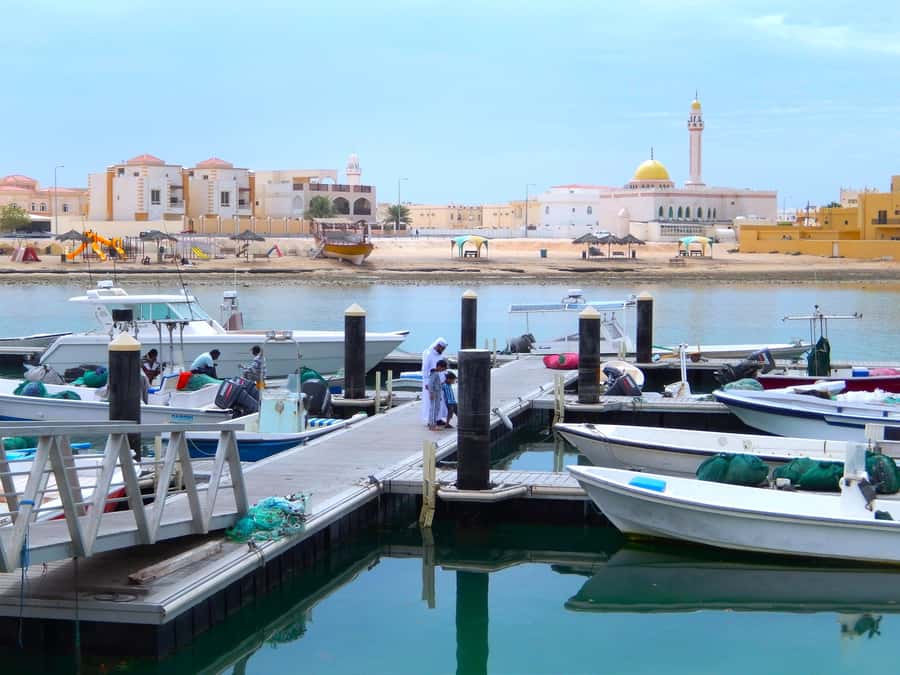
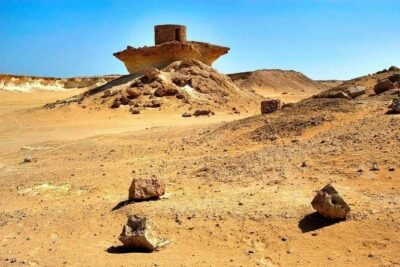
The route continues to Zekreet for about 30 minutes before reaching Richard Serra’s East-West/West-East installation for roughly 40 minutes. The Zekreet area is known for dramatic rock formations and open desert scenery, and the guide can help explain the natural features along the way.
This part of the tour is especially strong for photography. The rock formations create a striking setting before the enormous steel sculptures appear. You should expect a stark, open scene rather than a landscaped art park. The sense of distance is the point.
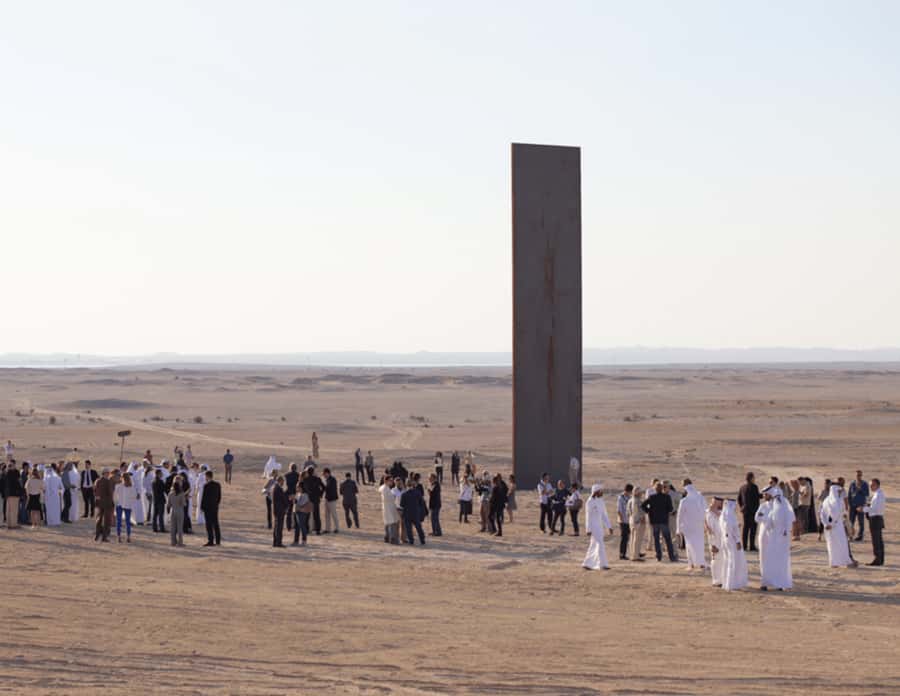
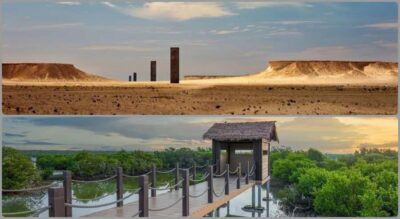
Richard Serra’s work consists of towering steel forms arranged across the desert. Their scale changes your sense of proportion: people become tiny beside the structures, while the desert seems even wider. I like the way the work asks you to pay attention to space, distance, and silence without needing a gallery wall.
You have about 40 minutes at the sculpture site. That is enough to walk around, view the forms from different angles, and take photographs. It is not enough for a long trek or an unhurried picnic. Stay aware of the heat and uneven ground, and follow the guide’s instructions around the installation.
The pairing of Eliasson and Serra gives the art portion real variety. Eliasson’s installation encourages you to consider the relationship between natural surroundings and artistic design. Serra’s work is more imposing and architectural. Seeing both in one day helps you compare two very different ways of using the desert.
What the seven-hour schedule feels like
The tour lasts seven hours from Doha and includes pickup and return. Since the stops cover the north and west, the drive is a central part of the experience. You will spend time in an air-conditioned vehicle between sites, then switch to short outdoor visits.
That format is useful if you have limited time in Qatar. Instead of arranging several remote locations yourself, you can see coastal scenery, an abandoned village, a fort, and two major art sites in one outing. It also removes the need to plan directions across areas where sites are widely spaced.
The schedule can feel full, especially in hot weather. Most stops last 30 minutes, with 40 minutes at Al Zubarah Fort and Richard Serra’s installation. If you like to stop for long meals, wander without a clock, or spend an hour composing photographs, this route may feel rushed.
There is no meal included unless you select a meal add-on. That is worth noting because the tour occupies much of the day. Bring your own snack if needed, or confirm the meal option when booking. Water, tea, and soft drinks are provided, which covers basic refreshment but not lunch.
Pickup arrangements are practical but slightly informal. The guide contacts you by phone call or WhatsApp on the day of the tour to arrange the exact pickup. Keep your phone available and watch for that message. You also need a passport or identity card, with a copy accepted.
Transport, guiding, and group options
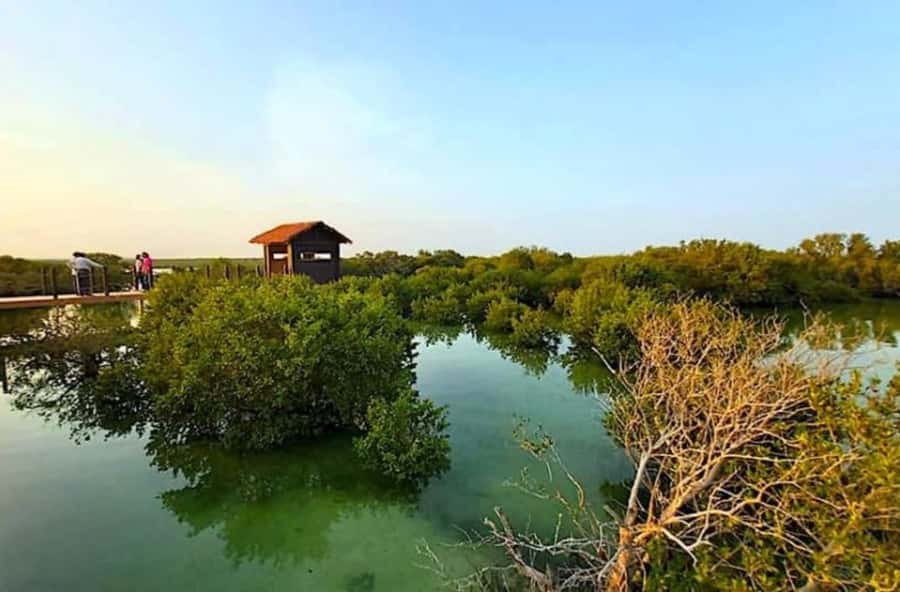
Round-trip transport by air-conditioned vehicle is included, which is important for this route. The northern and western sites are not close together, and arranging separate taxis would be inconvenient and potentially costly. Having one vehicle also keeps the day organized.
The tour is conducted in English. A private group option is available, which may suit couples, families, or small parties that want more control over the pace. The standard experience may be a better fit if you are happy to follow a set route and want the convenience of shared planning.
The strongest part of the guiding seems to be the human connection. Junaid was praised for his warm manner, clear stories, and ability to explain local customs and historical context. Javid was praised for organizing the day and taking photographs, including by one person who described him as an excellent photographer in Qatar.
You should not assume you will receive a particular guide unless the booking confirms it. Still, the positive comments about the guiding style are useful: this tour depends on explanation, not just transport. Without a guide, Al Jumail might look like old walls, and the desert artworks might seem like large objects in an empty field.
Who will enjoy this experience most
I would recommend this tour to you if you want to see parts of Qatar beyond Doha but do not want to arrange a long self-drive route. It suits first-time visitors who want several subjects in one day and people with a strong interest in history, archaeology, photography, or modern art.
It also works well for visitors with a short stay. You can cover a large part of northern and western Qatar in seven hours and return to Doha the same day. The included transport and site entry make the planning easy.
Families may appreciate the variety, particularly if children lose interest in a single type of attraction. The abandoned village, fort, rock formations, and giant steel sculptures offer different visual experiences. The outdoor heat and short stops may still require patience.
I would hesitate to recommend it if you want a slow, highly specialized visit to Al Zubarah, a full coastal day, or a dedicated contemporary art tour. The itinerary gives you an overview, not an in-depth study of one location.
Value, inclusions, and the small extra costs
No tour price is provided here, so I cannot judge the exact cost against similar options. I can judge the structure of the value: you receive pickup and drop-off, an air-conditioned vehicle, an English-speaking guide, drinks, and entrance to Al Zubarah Fort, Al Jumail village, the Olafur Eliasson site, and the Richard Serra installation.
That package is useful because transport is likely to be the hardest part to arrange independently. The route covers remote sites, and a guide adds context that you would otherwise need to research in advance. If the private group option carries a higher price, it may be worthwhile for a party that values flexible timing.
Meals are not included unless you choose the add-on. This is the main extra to plan for. You should also bring a passport or ID card, or a copy, and prepare for sun exposure at every outdoor stop.
Free cancellation is available up to 24 hours before the tour for a full refund, and you can reserve now and pay later. Those terms help if your Doha plans are still shifting, though you should check the available start times before committing.
My final call: book it for range, not slowness
I would book this tour if I wanted one efficient day that shows Qatar’s coast, former settlements, fortifications, desert geology, and major outdoor art. The route has real variety, the transport solves a practical problem, and the guides appear to add warmth and useful local context.
I would skip it only if I wanted to spend most of the day in one place or avoid outdoor heat. For everyone else, this is a strong choice for seeing northern and western Qatar without renting a car. Bring water-friendly patience for the drives, sun protection, and a camera, then let the contrast between old Qatar and modern desert art carry the day.
FAQ
How long does the tour last?
The experience lasts seven hours, including pickup from Doha, visits to the northern and western sites, and return to Doha.
Where does pickup take place?
Pickup is from Doha. The guide contacts you by phone call or WhatsApp on the same day to arrange the pickup service.
Is transportation included?
Yes. Pickup and drop-off are provided in an air-conditioned vehicle.
Is the tour conducted in English?
Yes. An English-speaking live guide leads the tour.
Which sites are included?
The route includes Al Ruwais, Al Jumail abandoned village, Olafur Eliasson’s desert art site, Al Zubarah Fort, Zekreet, and Richard Serra’s East-West/West-East installation.
Are entrance fees included?
Yes. Entry to Al Zubarah Fort, Al Jumail village, the Olafur Eliasson art site, and Richard Serra’s installation is included.
Is food included?
Meals are not included unless you select the meal add-on. Water, tea, and soft drinks are included.
What should I bring?
Bring a passport or identity card. A copy is accepted. Sun protection and comfortable footwear are also sensible for the outdoor stops.
Just added in Doha
- From Doha: Private West Coast and Camel Race Track Tour★ 4.7 · 4 reviews
- Doha: Night Desert Safari With Stargazing and Inland Sea★ 5.0 · 9 reviews
- Private Wakesurfing or Wakeboarding along Doha’s skyline★ 5.0 · 3 reviews
- Private Dunes Bashing | Desert Safari | Sand Boarding★ 5.0 · 5 reviews
- Doha-Private half day safari Sunrise/Sunset★ 5.0 · 6 reviews
- West Of Qatar Richard Serra sculpture, Mushroom Hills,Camel track★ 5.0 · 18 reviews
- West of Qatar Tour★ 5.0 · 2 reviews
- East-West/West-East – By Richard Serra★ 5.0 · 23 reviews
Historical Tours, compared.
Full Day Qatar’s North And West tour || History & Heritage
Read our review →
Culture & History Qatar Tour to the North & West
Read our review →
Doha Combo a Rich Heritage from the Desert to the City
Read our review →
Full day City and North Qatar tour | History and Heritage
Read our review →
Combo Culture & Adventure: North Qatar Heritage & Desert Safari
Read our review →Browse the lists this tour appears in