
REVIEW · MUSEUMS
4-Hour Private Museum of Islamic Art in Qatar Tour
Art meets Doha’s skyline. This private outing pairs the Museum of Islamic Art’s extraordinary waterfront architecture with a focused look at manuscripts, coins, ceramics, textiles, jewelry, and glass from across the Islamic world. I like the personal transport, and I like that a guide such as Ali can turn the drive into a useful introduction to Doha. The main drawback is the unclear admission arrangement: the details say both that museum entry is included and that a separate $14 ticket is not included.
You should expect about four hours overall, with roughly three hours assigned to the museum stop. That gives you enough time to see the major galleries without racing, but not enough for every label and object. The tour costs $135 per person, so it makes the most sense for couples, families, or small groups who value a private vehicle and personal attention more than the lowest possible price.
In This Review
- Key points to know before you book
- Why the Museum of Islamic Art makes a strong first stop in Doha
- What your private four-hour visit is likely to feel like
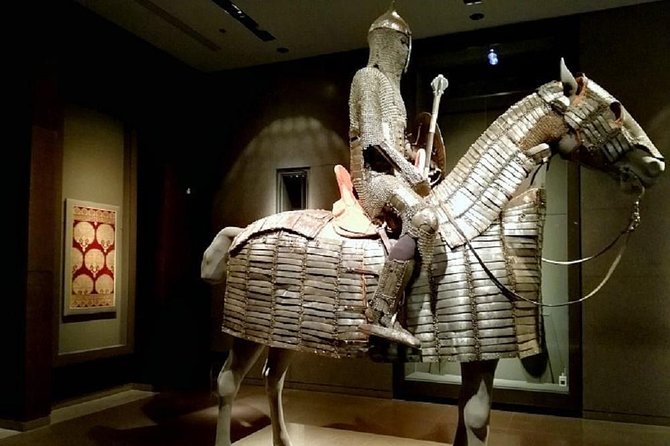
- The collection: from seventh-century Qur’ans to Ottoman works
- Rare coins offer an unusually personal view
- Glasswork, ceramics, and jewelry bring the galleries to life
- A visit that works for families and mixed interests
- Food, terraces, and the practical side of the visit
- Is $135 per person a fair price?
- Who should choose this museum tour?
- Cancellation and booking details worth checking
- Should you book it?
- FAQ
- How long does the tour last?
- Is the tour private?
- Is transportation included?
- Is the museum admission ticket included?
- How much does the tour cost?
- Are group discounts available?
- Can I use a mobile ticket?
- How far in advance is the experience usually booked?
- Can most people participate?
- What is the cancellation policy?
Key points to know before you book
- The building is part of the experience: The geometric waterfront design, terraces, arches, and city views are nearly as memorable as the collection.
- The collection covers 1,400 years: Look for Qur’anic manuscripts, rare gold and silver coins, ceramics, textiles, jewelry, woodwork, and glass.
- Private transport is included: Pickup is offered, and only your own group takes part in the activity.
- A guide can add useful context: Ali has been praised for explaining Doha’s history clearly during the drive as well as at the museum.
- Plan for about three hours inside: That is enough for a strong first visit, though art lovers could easily spend much longer.
- Check the ticket wording before departure: The information lists the museum admission both as included and as an extra $14 cost.
Why the Museum of Islamic Art makes a strong first stop in Doha
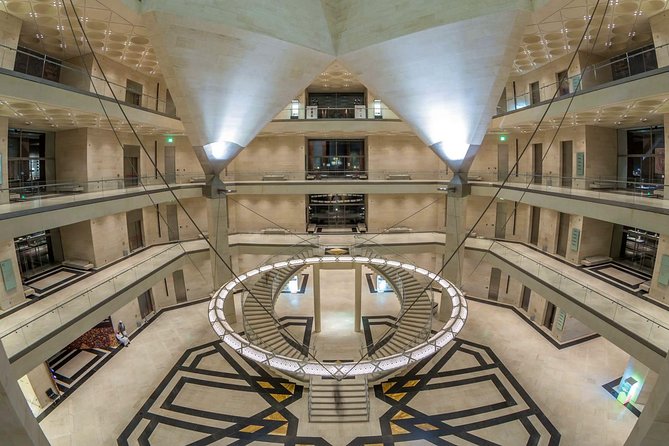
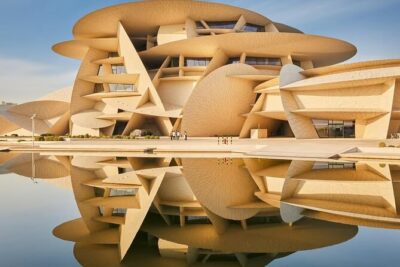
The Museum of Islamic Art is not an ordinary city museum tucked behind a busy street. Its cubistic, pyramid-like form rises beside the Persian Gulf, with pale stone, clean lines, and wide views toward Doha’s modern skyline. The building was designed by I. M. Pei, the architect also known for the Louvre Pyramid in Paris.
You begin with a visual lesson before seeing a single exhibit. The structure uses simple geometric forms associated with Islamic design, but the overall effect feels modern and spare. That contrast reflects Doha itself: a country that holds tightly to tradition while building a very modern capital.
The outdoor areas deserve time. Arched walkways, terraces, water, and open views create good photo opportunities, particularly if the sky is clear. I would not treat the exterior as a quick entrance route. Give yourself time to look back at the building from the waterfront and across the water toward the towers.
The views are also useful for understanding the museum’s setting. Inside, you see objects that traveled through courts, mosques, workshops, and homes across the Islamic world. Outside, you see present-day Doha. The two views belong together.
More museums in Doha:
- National Museum of Qatar: Admission Ticket
★ 4.7 · 514 reviews - Doha: Museum of Islamic Art Admission Ticket
★ 4.7 · 178 reviews - Half-Day Wonders of Doha: Culture, Skylines, Museums & Souqs
★ 5.0 · 97 reviews
What your private four-hour visit is likely to feel like
The outing lasts approximately four hours, with the museum stop listed at about three hours. The remaining time allows for pickup, driving, and the return journey, though the exact balance depends on where you are collected and on traffic.
Private transportation is included, which changes the pace of the day. You are not waiting for a large group to gather or stopping at places that do not interest you. If one person in your group needs more time with manuscripts while another prefers ceramics or jewelry, a private arrangement gives you more room to manage the visit sensibly.
The drive can also be part of the introduction. Ali has received particular praise for sharing facts and background about Doha while en route, speaking clearly and taking his time. That is useful when you are new to Qatar, since the museum makes more sense when you connect its objects with the wider story of the region.
Still, private does not automatically mean a long guided explanation of every gallery. The supplied details confirm a private activity and private transportation, but they do not spell out the guide’s exact qualifications, language options, or the precise pickup area. I would confirm those points before paying if they matter to you.
The collection: from seventh-century Qur’ans to Ottoman works
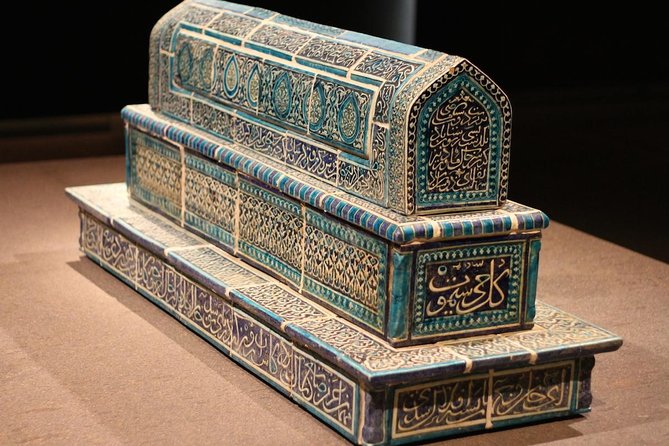
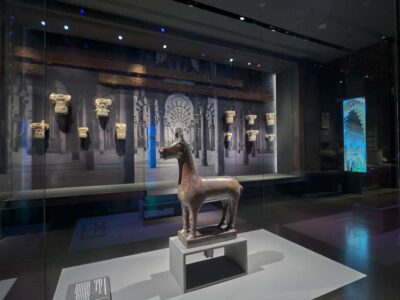
The museum’s collection was assembled from the late 1980s onward and covers an impressive range of objects. You may see manuscripts, metalwork, ceramics, jewelry, woodwork, textiles, coins, fabric, and glass. This variety is important because Islamic art is not one single style from one single country.
The displays can help you see how ideas moved across borders. Calligraphy, geometric pattern, fine metalwork, carpet design, and ceramic decoration appear in different forms across many regions. The collection also connects art with practical life. Some objects were made for worship or scholarship, while others served at a dining table, in a palace, or as personal decoration.
The manuscript collection is a major reason to take your time. It includes more than 800 manuscripts, ranging from Qur’ans dating to the seventh century through Ottoman works from the nineteenth century. Even if you are not a specialist, the age and survival of these books make them powerful objects. Look closely at the script, page layout, ornament, and materials rather than trying to read every panel.
Calligraphy is not treated as mere decoration. It reflects the importance of the written word in Islamic religious and intellectual life. The displays can also lead you toward subjects such as astronomy and mathematics, areas that shaped manuscript production, scientific study, and decorative design.
Rare coins offer an unusually personal view
The gold and silver coin collection deserves more attention than a quick glance. Coins are small, but they carry names, titles, religious phrases, dates, and signs of political power. They can show how rulers presented themselves and how money moved through different Muslim societies.
I find coins especially useful for visitors who want something concrete. A large manuscript or grand ceramic vessel can feel distant from daily life. A coin passed from hand to hand is more immediate. It connects government, trade, religion, and ordinary transactions.
The collection gives a view of Muslim life from the seventh century onward, not just a parade of palace objects. You can use the coins to think about changing borders and dynasties, even when the gallery text gives only a short explanation.
Allow enough time for these smaller pieces. They may not have the instant visual impact of a huge carpet or glittering vessel, but they reward close looking. If your guide is good at linking objects to history, ask how the coins help date or identify different periods.
A completely different kind of day:
- Doha: Safari, ATV, Camels, Sandboarding and Inland Sea Tour
★ 4.8 · 5,291 reviews - Doha: ATV, Quad/Buggy Dune Bashing, Camel Ride, Sandboarding
★ 5.0 · 3,784 reviews - Desert safari, Dune bashing, sandboarding, camel, ATV Option
★ 5.0 · 2,826 reviews - Qatar Gold Dune Safari, Dune Bashing,Camel Ride,Sand Boarding,Inland Sea Desert
★ 5.0 · 2,807 reviews
Glasswork, ceramics, and jewelry bring the galleries to life
The glass collection is another strong point. It includes highly finished enameled glass with several colors, along with cut and molded examples. The range shows that Islamic glass was not limited to one technique or appearance.
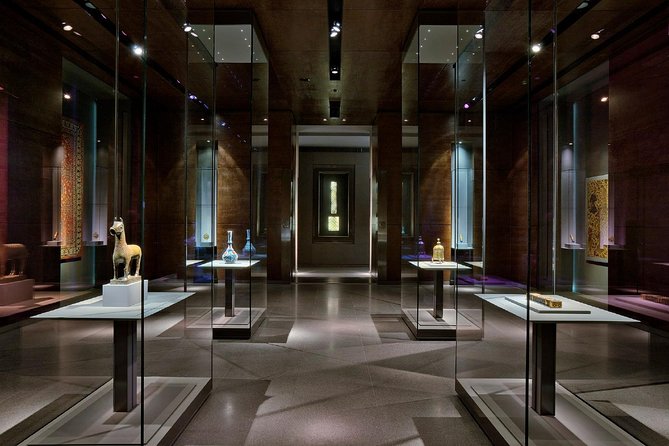
Lighting matters here. Carefully lit glass can reveal color, thickness, cutting, and surface detail that you would miss in a dim case. One of the positive impressions of the museum is that the displays are arranged and lit with care, so objects do not simply disappear into dark rooms.
Ceramics offer a different lesson. You can compare shapes, glazes, painted decoration, and practical use. The same is true of metalwork and woodwork, where surface pattern often matters as much as the object’s function.
Jewelry gives the collection a human scale. Gold and stones can suggest wealth, but they also show personal taste, craftsmanship, and social position. Textiles and fabric add another layer, with pattern and material telling you something about the skill and resources behind everyday and ceremonial objects.
You do not need a background in Islamic art to appreciate these rooms. A useful approach is to choose one object from each category and ask what it was made for, who might have used it, and what technique made it special.
A visit that works for families and mixed interests
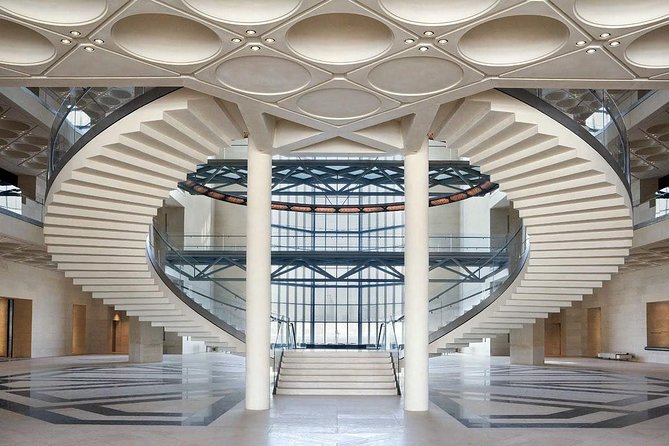
The museum is a good choice for a mixed group because it offers several ways to engage. Adults may prefer manuscripts, coinage, and historic objects. Children may respond more quickly to bright glass, repeated geometric patterns, jewelry, and large visual displays.
The museum itself is easy to follow, with exhibitions arranged in a clear way. A family can spend close to two hours seeing the main collection, while an art-focused visitor may want much longer. The three-hour museum allowance is generous enough to avoid a rushed first visit.
I would still set expectations with younger children. The collection includes delicate objects and written material, so this is not an entertainment center. The visual variety helps, but children who need frequent movement may appreciate breaks outdoors or at the café.
The building and the waterfront make that easier. You can alternate indoor galleries with open-air views instead of treating the museum as one long march from case to case.
Food, terraces, and the practical side of the visit
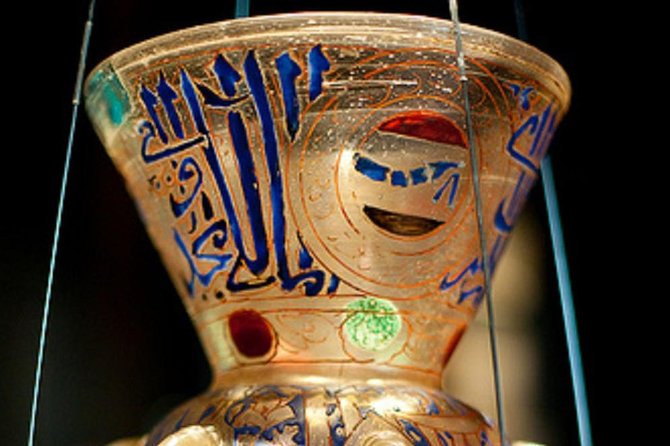
A café is available inside, and its seating overlooks the Doha skyline. It can be a pleasant place to pause, though finding a table may not always be easy. A restaurant on the top floor has been reported closed at times, so do not book the tour expecting every food outlet to be operating.
The terraces and exterior arches are worth including in your plan even if you are mainly interested in the collection. They offer a change of pace and some of the clearest views of the city.
Dress modestly and appropriately for a museum connected to Islamic art and culture. A visitor impression specifically advises suitable clothing, so shoulders and knees covered is the sensible approach. This also makes it easier to move through the museum without worrying about dress expectations.
The museum has been described as easy to reach by bus, but this experience includes private transportation. That convenience matters most in Qatar’s heat, for families, and for anyone on a tight schedule. You are paying partly for the direct ride and the ability to keep your group together.
Is $135 per person a fair price?
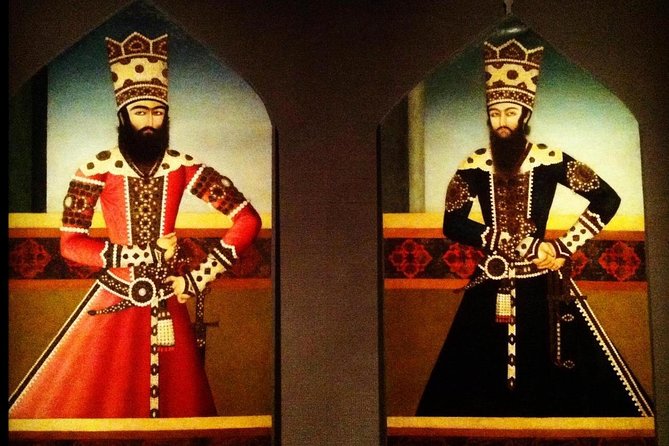
At $135 per person, this is not the cheapest way to see the Museum of Islamic Art. The museum itself may be reasonably priced, and independent visitors can potentially arrange their own transport. The private tour earns its price through convenience, a dedicated vehicle, and the chance to ask questions without competing with a large group.
The value improves if you are traveling as a small private party, arriving during a short Doha stopover, or visiting Qatar for the first time. A guide who explains the city during the drive can help you get more from the museum than a quick self-guided walk.
The value is weaker if you already know Doha well, prefer reading at your own pace, or only want an hour or two inside. The museum can be visited independently, and several hours may be more than you need for a quick look.
There is also a cost issue that needs sorting out. The booking details say admission is included in one place, while another section lists the museum ticket as a separate $14 expense. Ask the operator to confirm the final price and whether the ticket is supplied before the day of the visit. Do not assume the wording is consistent.
Group discounts are available, which may improve the per-person price for a larger private party. Since only your own group participates, ask how the discount is calculated before booking.
Who should choose this museum tour?
I would recommend it to first-time visitors who want a polished introduction to Doha and Islamic art without handling transport themselves. It also suits families, couples, and small groups who value a private pace.
It is particularly useful during a stopover. The museum offers architecture, art, culture, and skyline views in one location, and the four-hour schedule is easier to fit into a short visit than a full day of scattered sights.
Art lovers may want more time than the standard outing provides. The collection covers centuries and many media, so three hours can feel like a first pass rather than a final word. If you already know you enjoy manuscripts, coins, or historic glass, plan to use the full museum period and ask whether the guide can shape the visit around your interests.
I would be more cautious about booking if your main aim is the history of modern Qatar. The Museum of Islamic Art explains Islamic art across a wide geographic and historical span. It is not the same as a dedicated museum about Qatar’s national development, although the drive and city views may add some local context.
Cancellation and booking details worth checking
Free cancellation is available if you cancel at least 24 hours before the start time. Changes or cancellations made less than 24 hours before the experience are not accepted for a refund, and the cutoff follows local time.
Confirmation is normally sent at booking. If you book within two days of departure, confirmation may arrive within 48 hours and remains subject to availability.
Most people can take part, and the activity is private rather than shared with other groups. Pickup is offered, but the exact pickup details are not provided here, so confirm the meeting point and pickup zone directly.
Should you book it?
Book this tour if you want the Museum of Islamic Art to be more than a quick photo stop. The building, Gulf views, rare coins, old Qur’anic manuscripts, glass, ceramics, and personal transport make a strong package, especially for a first visit to Doha.
Skip it if you only want the lowest admission cost or prefer to explore independently. Before booking, settle the $14 ticket question, confirm pickup, and ask who will guide the visit. With those details clear, the tour offers a comfortable and worthwhile introduction to one of Doha’s most memorable cultural sights.
FAQ
How long does the tour last?
The experience lasts approximately four hours, with about three hours assigned to the Museum of Islamic Art.
Is the tour private?
Yes. Only your own group participates in the activity.
Is transportation included?
Private transportation and taxes are included, and pickup is offered.
Is the museum admission ticket included?
The supplied information is inconsistent. One section says admission is included, while another lists the museum ticket as a separate $14 cost. Confirm this with the operator before booking.
How much does the tour cost?
The listed price is $135 per person.
Are group discounts available?
Yes, group discounts are offered.
Can I use a mobile ticket?
Yes, a mobile ticket is available.
How far in advance is the experience usually booked?
It is booked an average of 12 days in advance.
Can most people participate?
Yes. The information says most people can participate.
What is the cancellation policy?
You can cancel up to 24 hours before the experience start time for a full refund. Cancellations or changes made less than 24 hours before the start time are not accepted for a refund.
Just added in Doha
- From Doha: Private West Coast and Camel Race Track Tour★ 4.7 · 4 reviews
- Doha: Night Desert Safari With Stargazing and Inland Sea★ 5.0 · 9 reviews
- Private Wakesurfing or Wakeboarding along Doha’s skyline★ 5.0 · 3 reviews
- Private Dunes Bashing | Desert Safari | Sand Boarding★ 5.0 · 5 reviews
- Doha-Private half day safari Sunrise/Sunset★ 5.0 · 6 reviews
- West Of Qatar Richard Serra sculpture, Mushroom Hills,Camel track★ 5.0 · 18 reviews
- West of Qatar Tour★ 5.0 · 2 reviews
- East-West/West-East – By Richard Serra★ 5.0 · 23 reviews
Museums, compared.
Half-Day Wonders of Doha: Culture, Skylines, Museums & Souqs
Read our review →
Doha Night City Tour | Souq Waqif | National Museum | The Pearl | Katara Village
Read our review →
Iconic Sights, Culture & Museum of Islamic Art Tour
Read our review →
Visit Souq Waqif, Katara, Pearl, Museum, Cornishe
Read our review →
3-2-1 Qatar Olympic and Sports Museum: Admission Ticket
Read our review →
Browse the lists this tour appears in